The Diabetes Readmission Dashboard with Dashtera is an interactive analytics tool designed to explore factors influencing hospital readmissions among diabetic patients. Built using Dashtera’s no-code platform, the dashboard transforms a large multiyear dataset (1999–2008) into meaningful insights through visualizations that highlight demographic, clinical, and treatment patterns.
This dashboard aims to help healthcare professionals, administrators, and researchers:
Identify high-risk groups more likely to be readmitted within 30 days.
Explore how demographics, medications, and diagnoses interact with readmission.
Support data-driven decision-making to reduce costs, improve outcomes, and lower preventable readmissions.
The primary task is to determine whether a diabetic patient is readmitted within 30 days of discharge. Readmission is a critical quality and cost indicator for hospitals, with direct consequences on patient safety, morbidity, and mortality.
Dataset
Dataset Characteristics
The dataset represents 101,766 encounters from 130 US hospitals and health systems, focusing exclusively on patients diagnosed with diabetes. Each record captures patient demographics, hospital stay details (up to 14 days), laboratory tests, medications, and discharge outcomes. The dataset contains information on:
Dashtera is a cloud-based, no-code dashboard platform that enables users to connect diverse data sources and build interactive dashboards without any coding. It offers drag-and-drop tools, dynamic filters, and advanced visualization options that suit both beginners and experts.
Key Features
Connects to various data sources (CSV, Excel, APIs, etc.)
Wide range of chart types, including advanced statistical visuals
Interactive drill-downs and dynamic filters
Shareable dashboards with flexible layouts
Supports calculated fields and transformations
User-friendly drag-and-drop interface
Advantages Over Similar Tools
Extremely easy to use—minimal technical expertise required
Rapid dashboard creation and deployment
Suitable for both beginners and advanced users
Lightweight yet powerful compared to Tableau or Power BI
Dashboard
Overview & Key Metrics
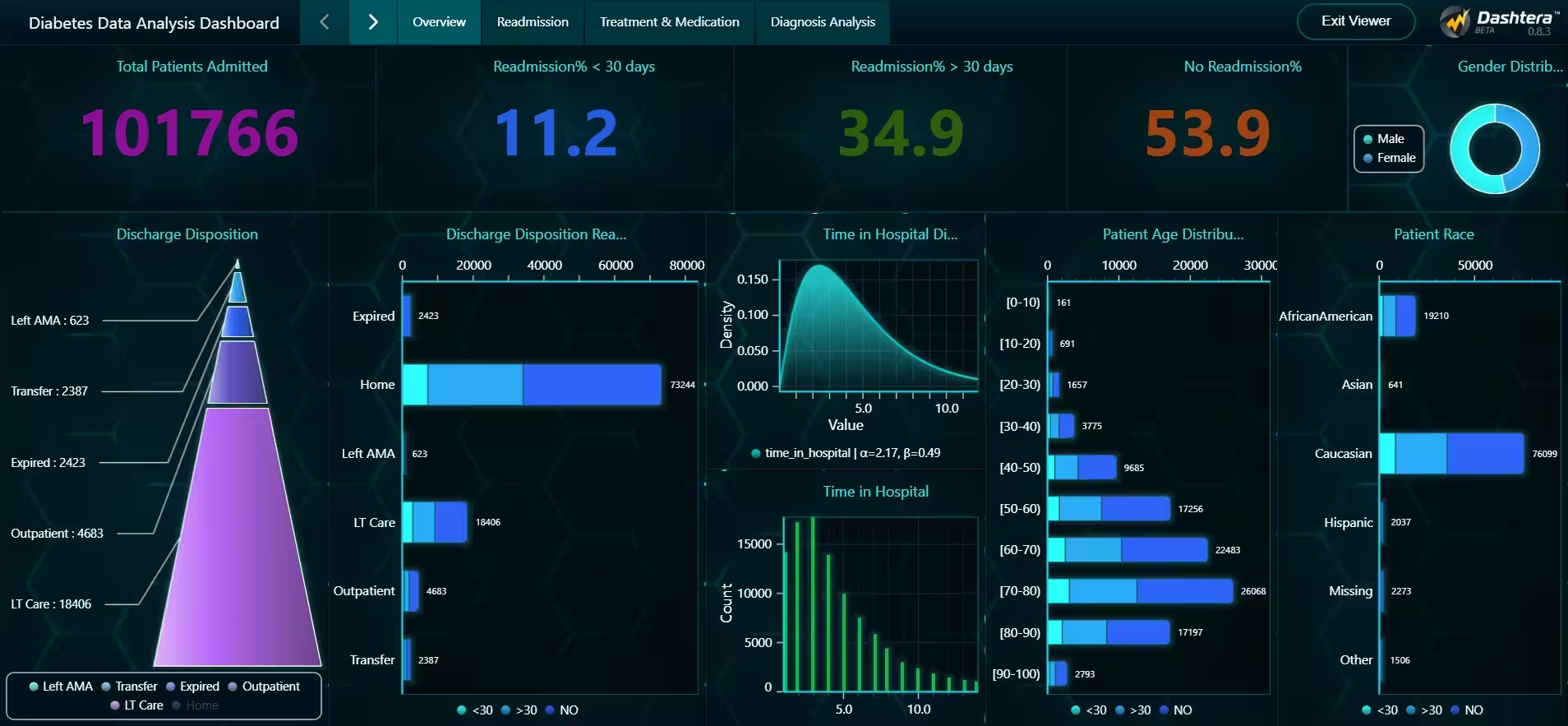
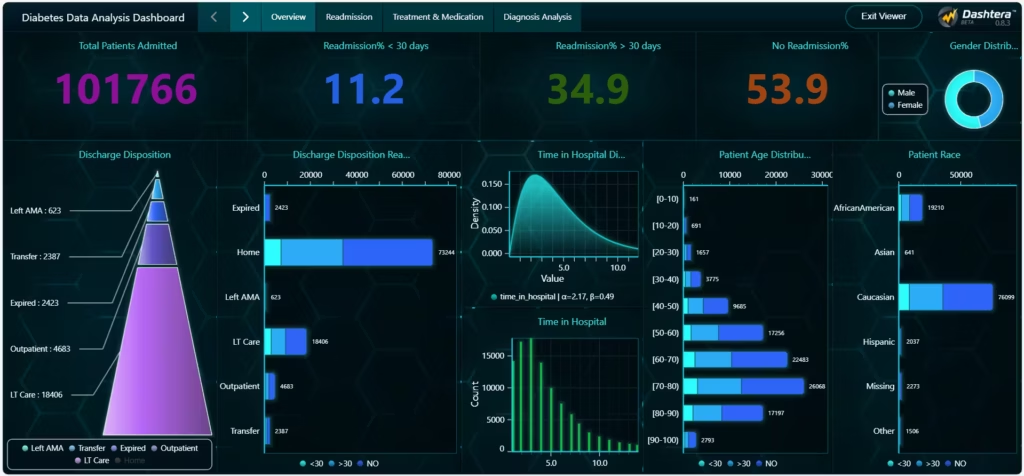
This dashboard provides a high-level snapshot of the dataset, focusing on overall patient distribution and readmission patterns.
The visualization includes:
Total Patients Admitted: 101,766
Readmission Breakdown: <30 days (11.2%), >30 days (34.9%), No readmission (53.9%)
Gender Distribution: Male (54,708) vs. Female (47,055)
Discharge Disposition Bar Chart: Home (73,244) dominates, followed by LT Care, Outpatient, Transfer, and Expired
Hospital Stay Histogram: Length of stay distribution (1–14 days)
Age Group Stacked Bar Chart: Patients concentrated in [50–70), with higher readmission in older groups
Race Stacked Bar Chart: Caucasian and African American patients form the majority, with differing readmission rates
Over half of diabetic patients were not readmitted. However, readmission rates were noticeably higher in elderly groups and certain racial categories, offering an early signal for targeted interventions.
Patient Demographics & Readmission
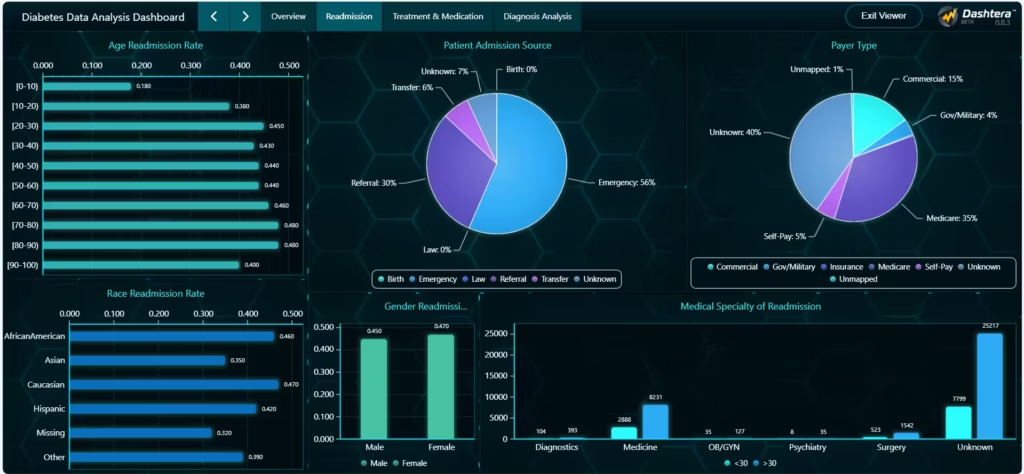
This dashboard dives into how demographics and administrative factors correlate with readmission.
The visualizations includes:
Age vs. Readmission Rate Bar Chart: Rates increase steadily with age, peaking at ~48% in [70–90).
Race vs. Readmission Rate Bar Chart: African American (46%) and Caucasian (47%) patients show higher readmissions than Asians (35%) or “Other” (39%).
Admission Source Pie Chart: Emergency (56%) dominates admissions, followed by physician referrals (30%).
Payer Type Pie Chart: Medicare and “Unknown” categories cover nearly two-thirds of patients.
Medical Specialty Readmission Bar Chart: Medicine specialties and Surgery show moderate readmissions, while “Unknown” accounts for a large portion.
Emergency admissions and Medicare patients show higher risks of readmission. Demographic and payer differences highlight systemic disparities in care and follow-up.
Diabetes Treatment & Medication Overview
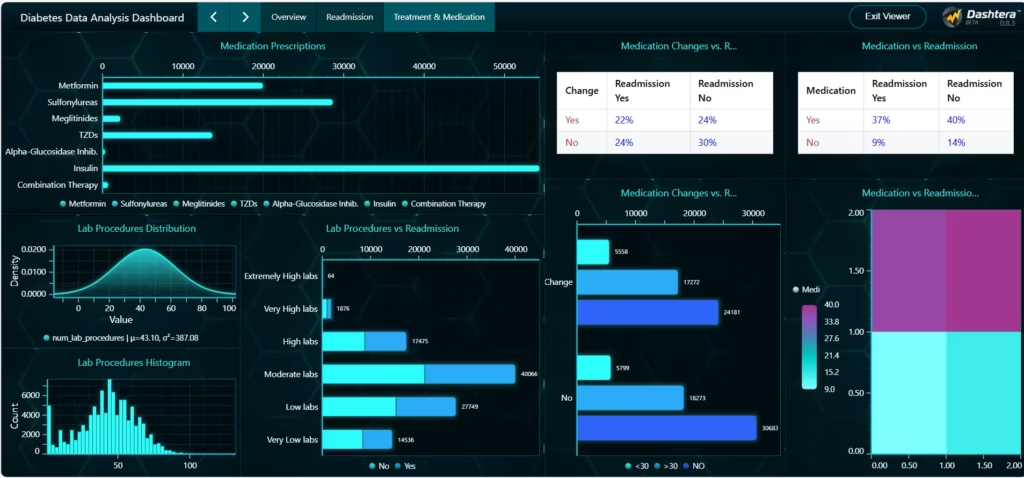
This dashboard examines medication prescriptions, lab procedures, and treatment patterns in relation to readmission.
The visualization Includes:
Medication Prescriptions Bar Chart: Insulin (54,383), Sulfonylureas (28,676), and Metformin (19,988) are the most common therapies.
Medication Change vs. Readmission Table: Patients with changes in diabetes medications have slightly lower readmission risk (22% vs. 24%).
Medication Use vs. Readmission Table: Patients prescribed diabetes medications show higher readmission (37%) compared to those without (9%).
Lab Procedures Histogram: Distribution of 1–132 lab tests per stay.
Lab Procedures vs. Readmission Bar Chart: Extremely high lab usage correlates with higher readmission likelihood.
Medication exposure strongly relates to readmission, especially insulin users. High lab testing may also signal sicker patients who are more likely to return.
Diagnosis & Comorbidity Analysis
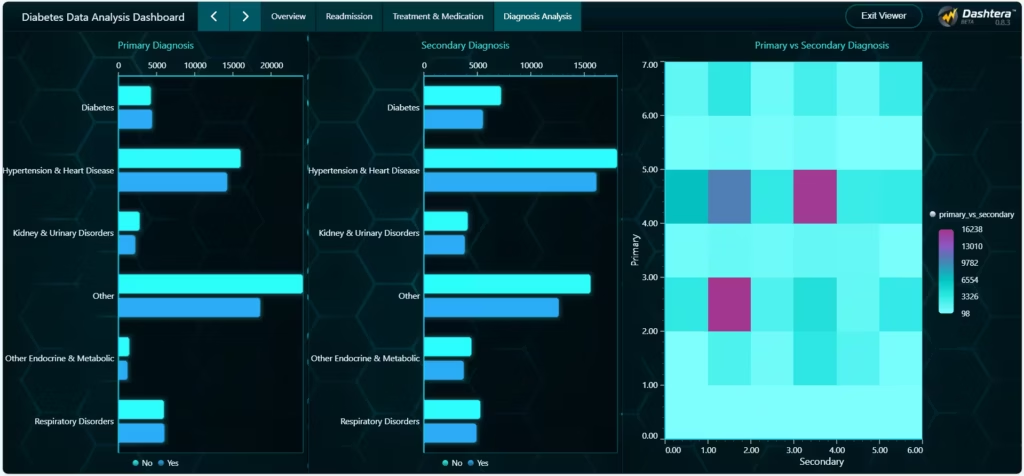
This dashboard explores diagnoses and comorbid conditions, grouped using ICD-9 categories.
Diagnosis Groups Used:
Diabetes (250.xx)
Hypertension & Heart Disease (390–459)
Kidney & Urinary Disorders (580–629)
Respiratory Disorders (460–519)
Other Endocrine & Metabolic (240–279, excl. 250)
Other Diagnoses (all remaining 3–999 codes)
The visualization includes:
Number of Diagnoses vs. Readmission: Patients with >6 diagnoses have markedly higher readmission.
Patients with multiple comorbidities, especially diabetes + cardiovascular/kidney conditions, are at the highest risk of early readmission. Glycemic control markers further emphasize this relationship.
Conclusion
The Diabetes Readmission Dashboard with Dashtera provides a structured, interactive framework to understand patient demographics, clinical factors, and treatment outcomes.
By leveraging Dashtera’s no-code platform, hospitals can:
Pinpoint high-risk groups for early intervention.
Optimize diabetes medication management.
Design preventive care strategies to lower costly readmissions.
This tool empowers clinicians, administrators, and researchers with actionable insights, bridging the gap between raw hospital data and improved patient outcomes.