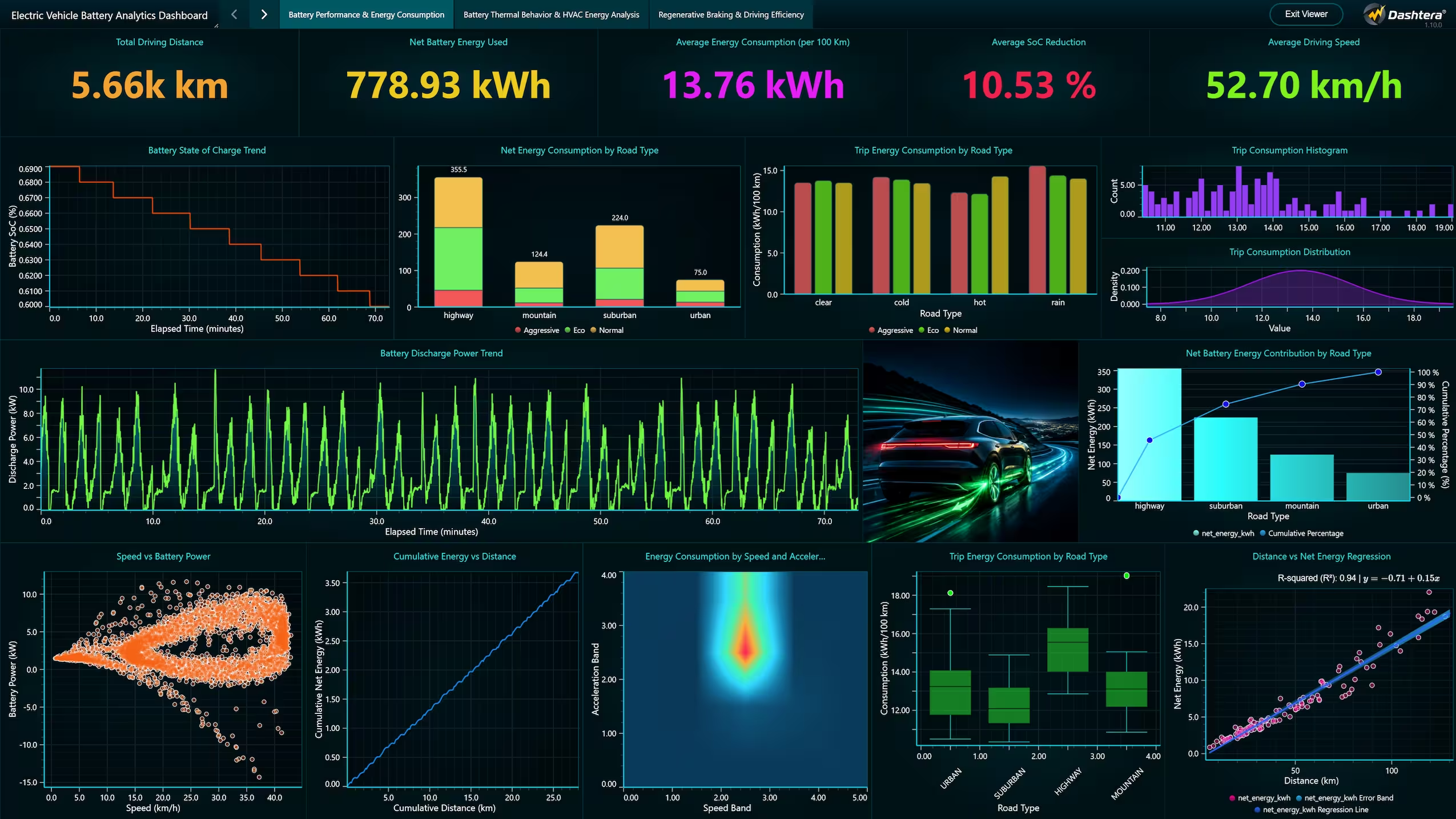




The Food Insecurity Analysis Dashboard with Dashtera is an interactive analytics platform designed to visualize and explore global trends in food insecurity across countries and regions. Built using Dashtera’s no-code environment, the dashboard leverages the Food and Agriculture Organization (FAO) dataset to highlight global and regional disparities in food security, changes over time, and the socioeconomic groups most affected.
Food insecurity is defined as the percentage of people in the population living in households classified as severely food insecure, based on the Food Insecurity Experience Scale (FIES). Such households experience the most severe food access challenges, including reduced meal size, skipped meals, or entire days without food due to lack of resources.
This dashboard helps researchers, policymakers, and humanitarian organizations to:
The dataset covers 2015 to 2022, capturing yearly prevalence of severe food insecurity (indicator code: SN.ITK.SVFI.ZS).
What is Dashtera?
Dashtera is a no-code, cloud-based dashboarding platform that enables users to connect to datasets, transform them, and build interactive dashboards with ease. It empowers decision-makers to gain insights without requiring advanced technical skills.
Key Features
Advantages Over Similar Tools
Food Insecurity Analysis 2015
This dashboard provides the first baseline view of 2015 food insecurity worldwide.
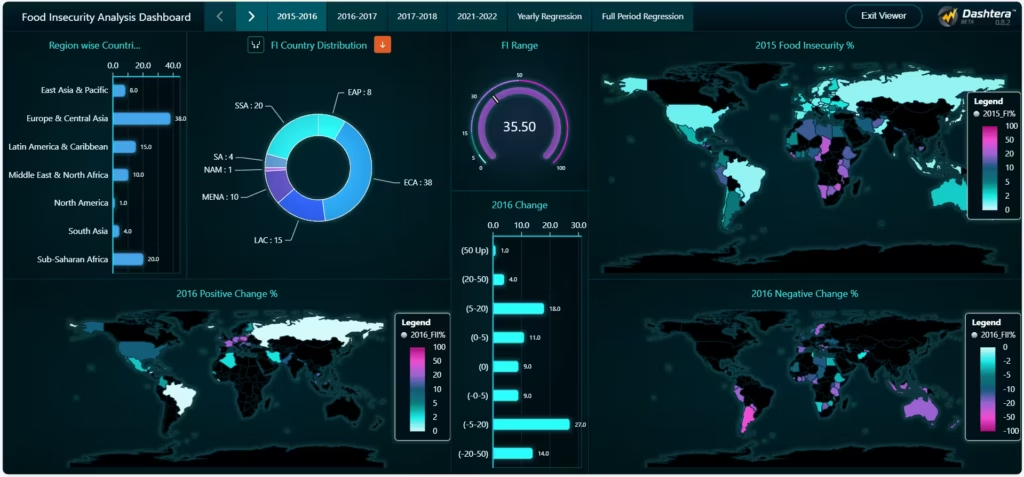
This visualization includes:
2016 Change Distribution (compared to 2015):
| Change Category | Country Count |
|---|---|
|
(50 Up) |
1 |
|
(20–50) |
4 |
|
(5–20) |
18 |
|
(0–5) |
11 |
|
(0) |
9 |
|
(-0–5) |
9 |
|
(-5–20) |
27 |
|
(-20–50) |
14 |
Food Insecurity Analysis 2016
This dashboard replicates the structure of the previous Dashboard but for 2016. It highlights regions where food insecurity worsened or improved relative to 2015.
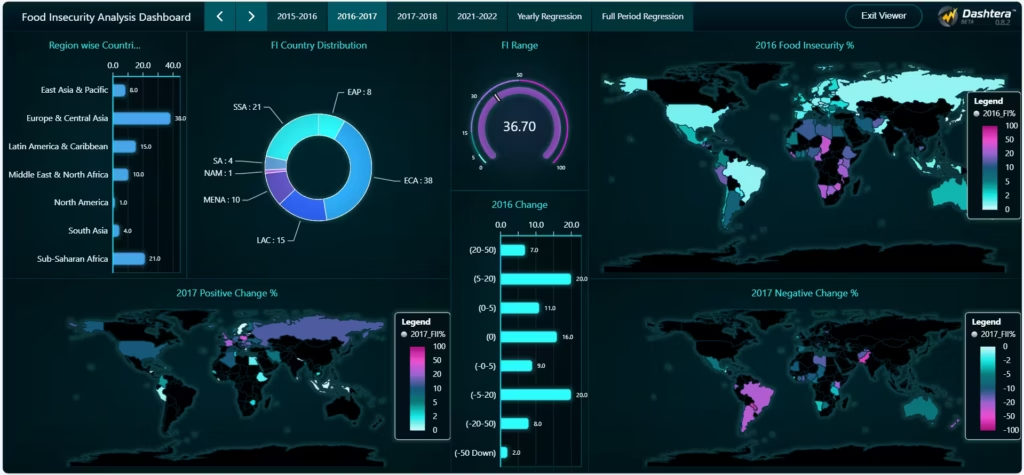
2016 Change Distribution:
| Change Category | Country Count |
|---|---|
|
(20–50) |
7 |
|
(5–20) |
20 |
|
(0–5) |
11 |
|
(0) |
16 |
|
(-0–5) |
9 |
|
(-5–20) |
20 |
|
(-20–50) |
8 |
|
(-50 Down) |
2 |
Food Insecurity Analysis 2017
The 2017 dashboard provides a continuation of trends with updated world maps, distributions.
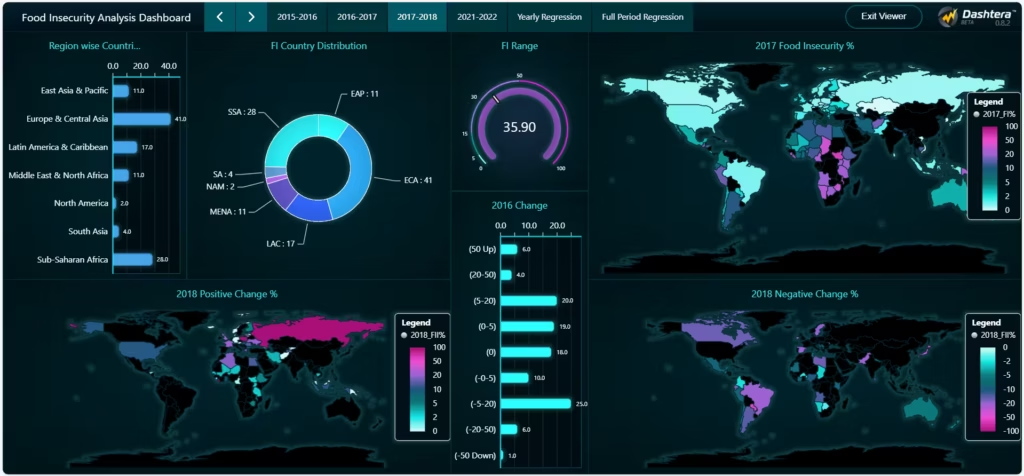
2017 Change Distribution:
| Change Category | Country Count |
|---|---|
|
(50 Up) |
6 |
|
(20–50) |
4 |
|
(5–20) |
20 |
|
(0–5) |
19 |
|
(0) |
18 |
|
(-0–5) |
10 |
|
(-5–20) |
25 |
|
(-20–50) |
6 |
|
(-50 Down) |
1 |
Food Insecurity Analysis 2021
The 2021 dashboard reflects the post-2019 shocks, including the pandemic, conflicts, and inflationary pressures, which reshaped food security worldwide.
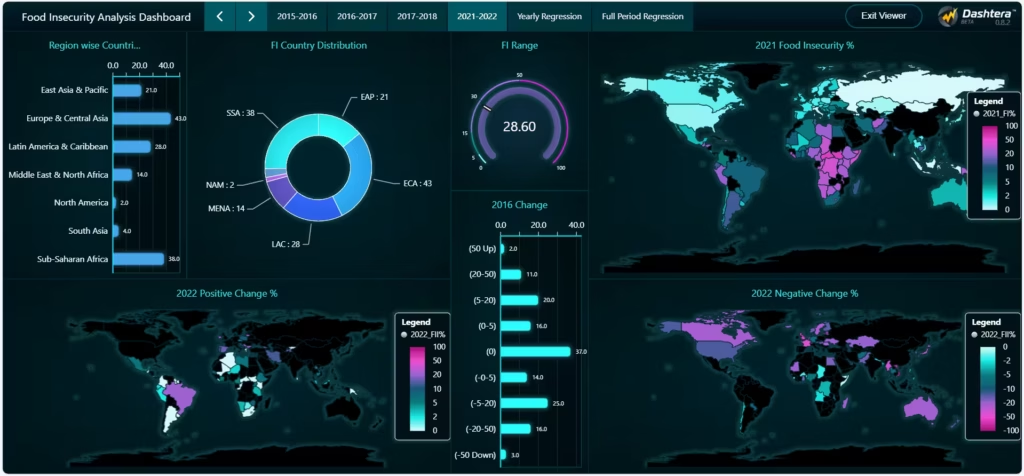
2021 Change Distribution:
| Change Category | Country Count |
|---|---|
|
(50 Up) |
2 |
|
(20–50) |
11 |
|
(5–20) |
20 |
|
(0–5) |
16 |
|
(0) |
37 |
|
(-0–5) |
14 |
|
(-5–20) |
25 |
|
(-20–50) |
16 |
|
(-50 Down) |
3 |
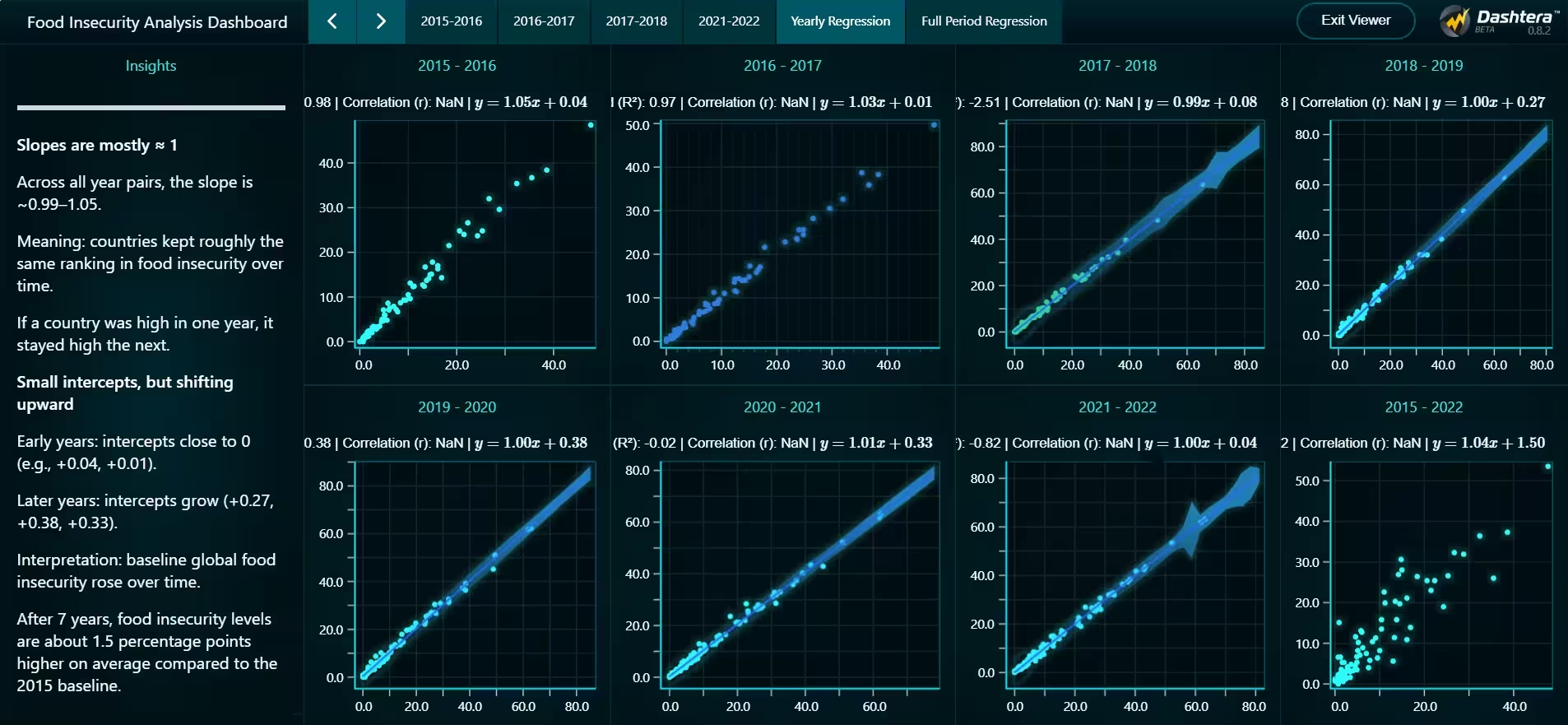
Yearly FI Regression (2015–2022)
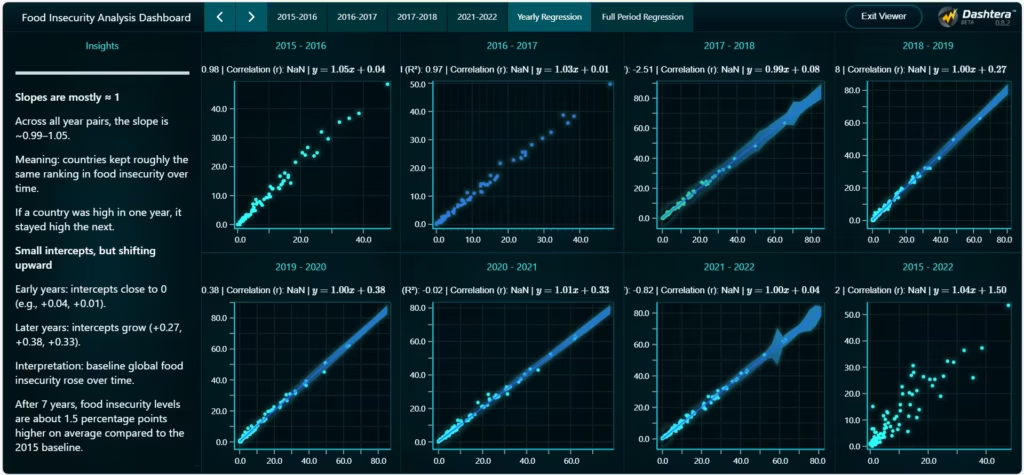
Regression dashboards model the year-to-year relationships of food insecurity across countries.
Key Insights from Regression Equations:
Full Period Regression (2015–2022, by Income Group)
This regression dashboard compares trends across income groups.
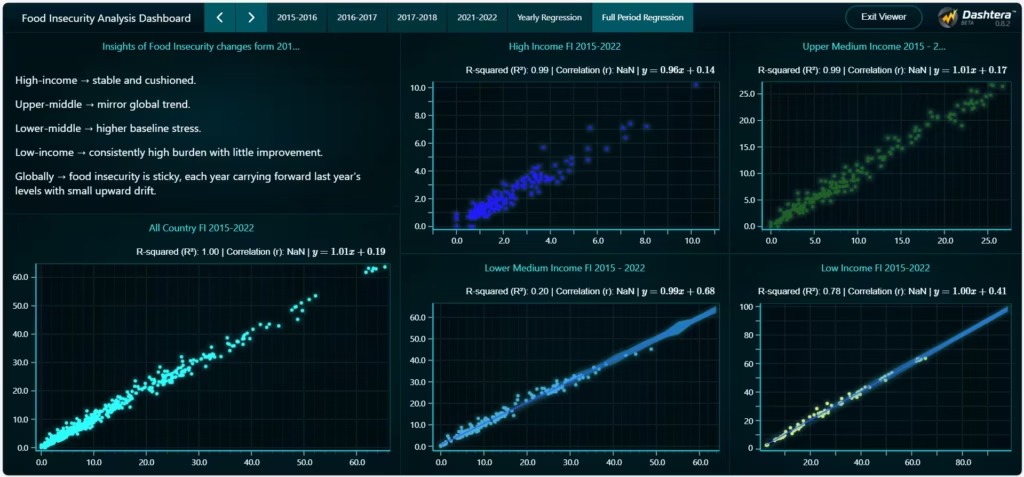
Insights:
Summary:
Overall Insights & Recommendations
The Food Insecurity Analysis Dashboard with Dashtera transforms a complex global dataset into an interactive, insightful tool for understanding food security dynamics. By integrating maps, drill-down distributions, and regression models, it reveals both short-term shocks and long-term structural patterns in global hunger.
With Dashtera’s no-code approach, stakeholders can explore trends across regions and income groups, monitor progress toward food security goals, and design data-driven interventions to combat hunger.
Share: