
Finland’s Population Data Visualization Analysis
- Published
-
Software Developer Janaka Alwis
On this page
Data Visualization Analysis of Finnish Population
This population data visualization analysis explores over 160 years of demographic trends in Finland using Dashtera, a no-code data visualization platform. Drawing from the Human Mortality Database and Statistics Finland, the interactive dashboard highlights key indicators such as birth and death patterns, population structure, and generational shifts from 1859 to 2025.
Dashtera’s intuitive interface enabled the creation of a dynamic tool that reveals how Finland’s population has aged, how vital statistics have evolved, and what the demographic landscape looks like in 2025.
Dataset Description
The data for this project comes from the Human Mortality Database, which compiles official mortality and population data from Statistics Finland. The dataset spans from the year 1859 to 2025 and includes:
- Annual birth counts
- Age-specific death counts
- Population by age and sex
- Historical trends in infant mortality and aging
This comprehensive dataset allows longitudinal analysis of key demographic changes over time. While data prior to 1878 may be less reliable, the focus is on validated records from 1878 to 2024, with additional projections into 2025.
What is Dashtera?
Dashtera is a no-code, cloud-based dashboard platform designed for rapid, interactive data visualization. It enables users to upload CSV or Excel datasets and quickly build dashboards without writing code-perfect for time series, statistical, and demographic analyses.
Main Features of Dashtera
- Connects to time series datasets (CSV, Excel, etc.)
- Supports statistical and scientific charts
- Drag-and-drop interface for quick setup
- Built-in support for trend detection and confidence intervals
- Shareable dashboards with flexible layouts
- Enables calculated fields and anomaly visualization
Advantages Over Similar Platforms
- Rapid dashboard creation without code
- Minimal setup with rich analytics support
- More lightweight than traditional BI tools like Power BI
- Perfect for time series anomaly visualization
Finnish Population Dashboard in Dashtera
Below are the five dashboards created for this project, each with a specific focus on birth, death, and age-based population structures in Finland.
Finland Newborn Population Trend (1859–2024)
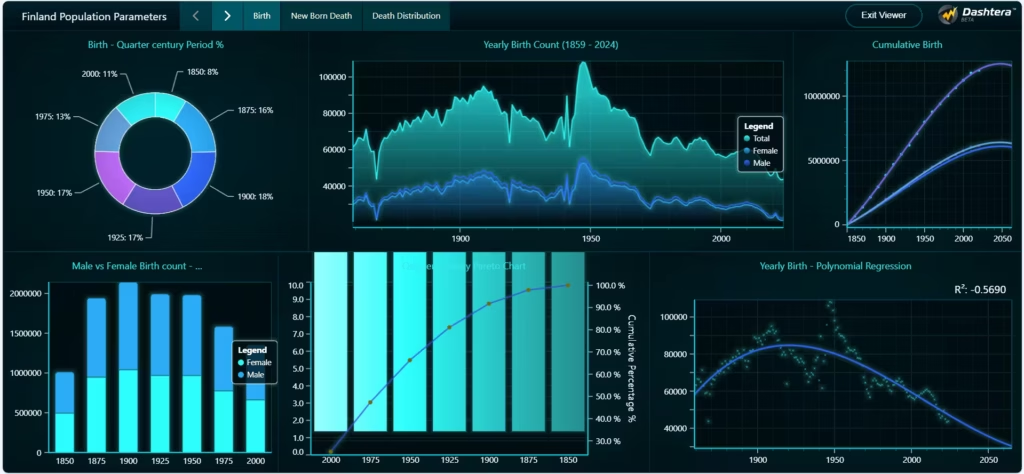
This dashboard visualizes the annual birth count in Finland over 165 years. The data shows that:
- Birth rates peaked in the 1950s, likely due to post-war baby booms.
- Since then, there has been a steady decline in newborns, especially in the 21st century.
- The drop suggests long-term changes in fertility behavior and societal structure.
This chart offers a clear signal of declining birth rates and prompts questions about future population sustainability.
Newborn Mortality Trend (1878–2024)
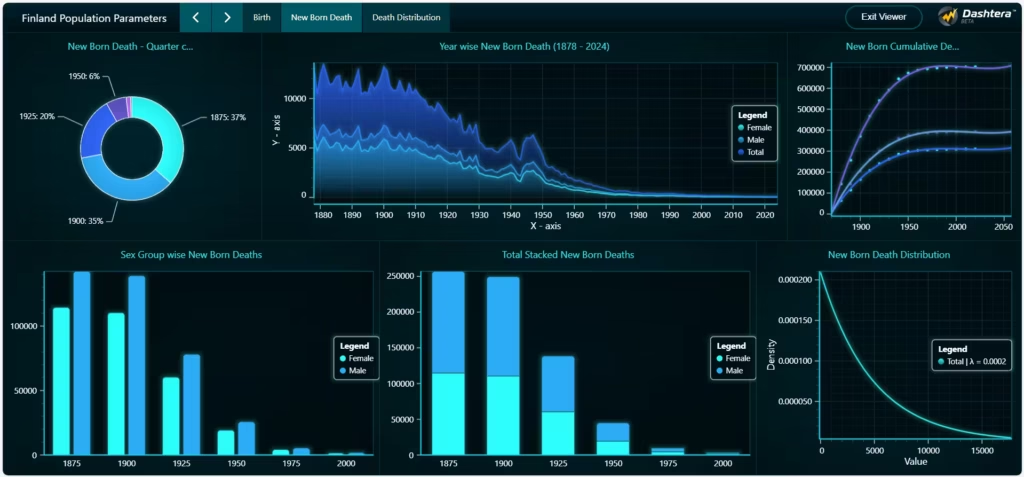
This dashboard focuses on infant deaths (typically under 1 year of age):
- In 1878, newborn mortality was high due to limited medical knowledge.
- From 1900s to 2024, thanks to medical and technological advancements, newborn deaths have drastically decreased.
- This is a clear sign of improvements in public health, neonatal care, and societal development.
The dashboard celebrates public health progress and declining infant mortality over 140 years.
Age-Specific Death Distribution (1878 - 2024)
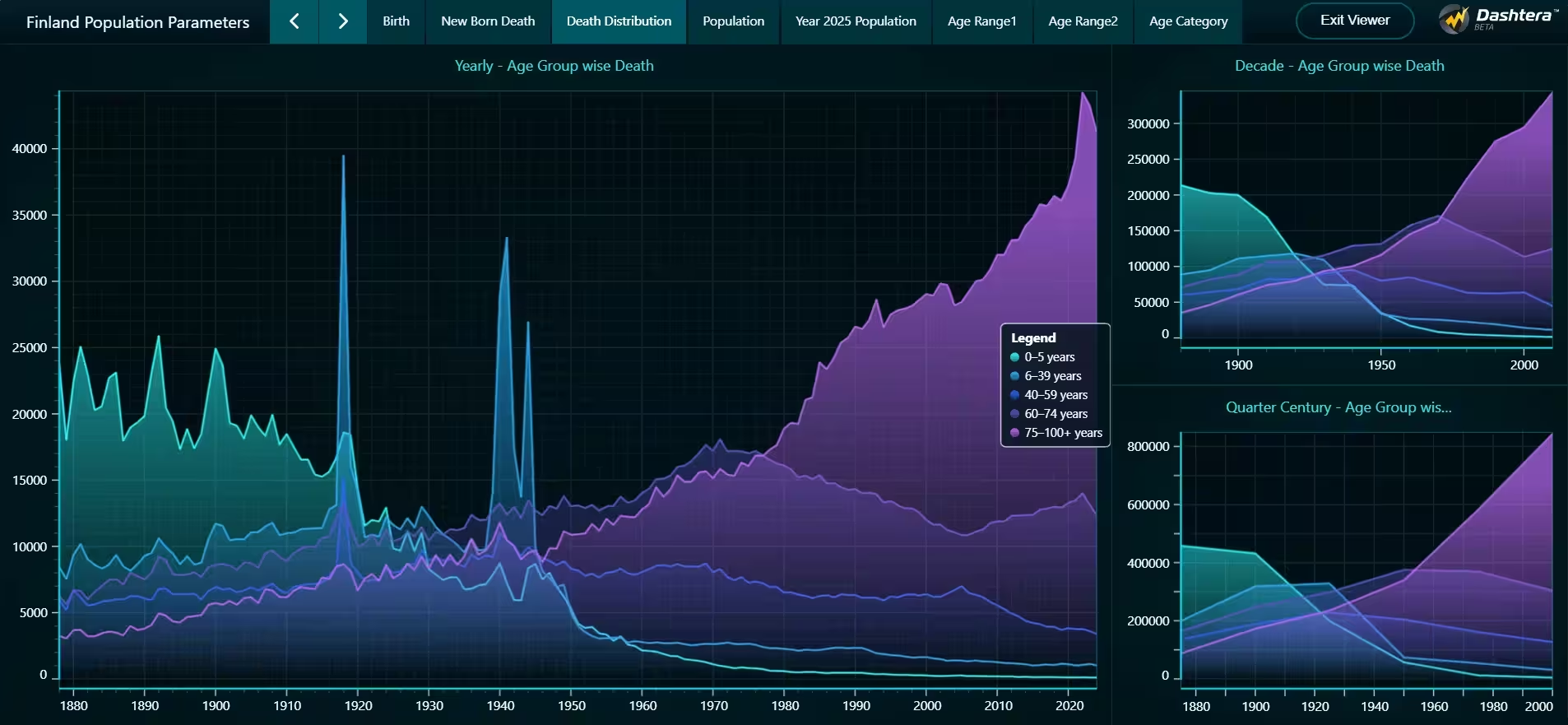
This dashboard compares the age at death between two critical years:
- In 1878, the majority of deaths occurred in childhood, with high mortality under age 10.
- In 2024, most deaths occur in older age groups (70+), reflecting improved life expectancy.
This shift from early deaths to elderly deaths highlights Finland’s aging society and advances in longevity.
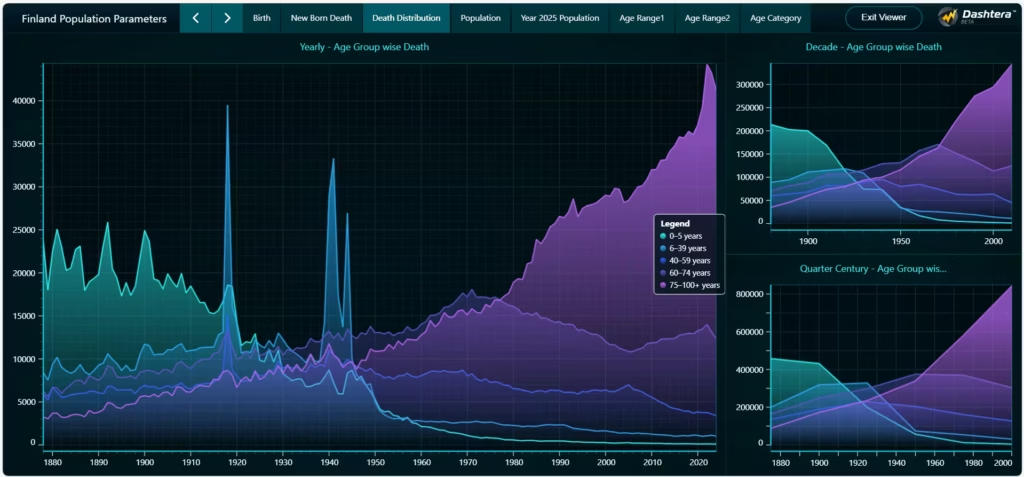
This shift from early deaths to elderly deaths highlights Finland’s aging society and advances in longevity.
Population Structure Over Time
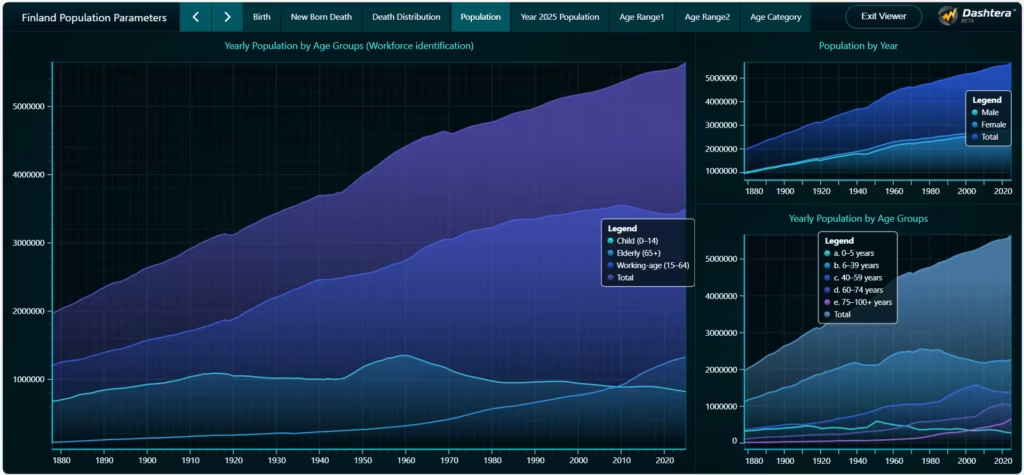
This dashboard shows how Finland’s population pyramid has transformed:
- Total population has grown steadily.
- Child population (ages 0–14) has remained flat or declined.
- Elderly population (ages 65+) has increased rapidly, especially after 1990.
- Working-age population (ages 15–64) has stabilized, with minimal growth.
This visualization reveals the demographic imbalance between young and old, raising implications for the future workforce and social support systems.
Projected Population Distribution – Year 2025
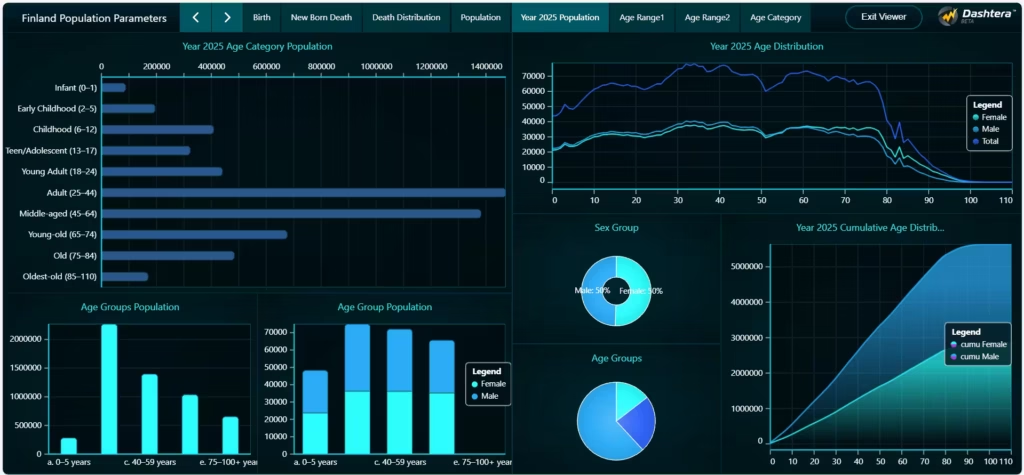
This dashboard shows Finland’s forecasted population pyramid for 2025:
- Elderly age groups (65–89) form a significant portion of the population.
- Newborns and children (0–14) continue to decline in number.
- Median age continues to rise, with fewer young workers entering the economy.
This dashboard helps anticipate future societal needs like healthcare, pensions, and labor policies.
Conclusion
Using Dashtera, I built a comprehensive suite of dashboards that shed light on Finland’s historical and future population patterns. From rising life expectancy to falling birth rates, the data tells a powerful story of societal change.
Dashtera’s no-code interface and support for demographic charts made it simple to turn raw statistics into meaningful visual narratives. Whether you’re exploring historical mortality, analyzing generational shifts, or planning for the future, Dashtera enables quick insight without complex tools.
This project underscores the importance of demographic data in policy planning and the power of tools like Dashtera to communicate these insights clearly.
Share:
Read More
Want to see your data come to life?
Begin building your dashboards now, and unleash your creativity!
