Obesity has emerged as a major global health concern, strongly linked to lifestyle factors such as diet, physical activity, and daily routines. To explore how different habits contribute to obesity, I developed an interactive dashboard using Dashtera, a no-code data visualization platform. This project utilizes a dataset related to eating behavior and physical condition to assess and visualize the distribution and potential determinants of obesity levels in individuals.
Using Dashtera’s intuitive drag-and-drop interface, I created a series of dashboards that highlight how obesity correlates with physical, dietary, and behavioral factors. The dashboards are designed to uncover patterns across different variables, allowing for a deeper understanding of obesity’s underlying contributors.
Eating Habits: Frequency of vegetable consumption, consumption of high-calorie food, food between meals, water intake
Physical Activity: Frequency of physical activity, time spent using technology (screen time), transportation methods
Medical Background: Family history of overweight
Target Variable: Obesity level (7 categories ranging from Insufficient Weight to Obesity Type III)
This multivariate dataset enables an in-depth descriptive and inferential analysis of how physical attributes and lifestyle factors align with different obesity levels.
What is Dashtera?
Dashtera is a no-code, cloud-based data visualization platform ideal for quick statistical analysis, exploration, and storytelling. It empowers users to turn structured data into rich visual insights without writing a single line of code.
Main Features of Dashtera
Upload and connect CSV or Excel files
Supports histograms, box plots, regressions, spider charts, and more
Drag-and-drop chart creation
Enables calculated fields, transformations, and custom filters
Lightweight and intuitive—ideal for exploratory data work
Excellent support for statistical and health-related visualization
More accessible than platforms like Power BI or Tableau for quick projects
Obesity Levels Dashboard
Below are the five dashboards developed for this project. Each one investigates specific aspects of obesity and their related patterns across variables.
Facts Used in Obesity Levels
This foundational dashboard explores the distribution of participants across various individual features:
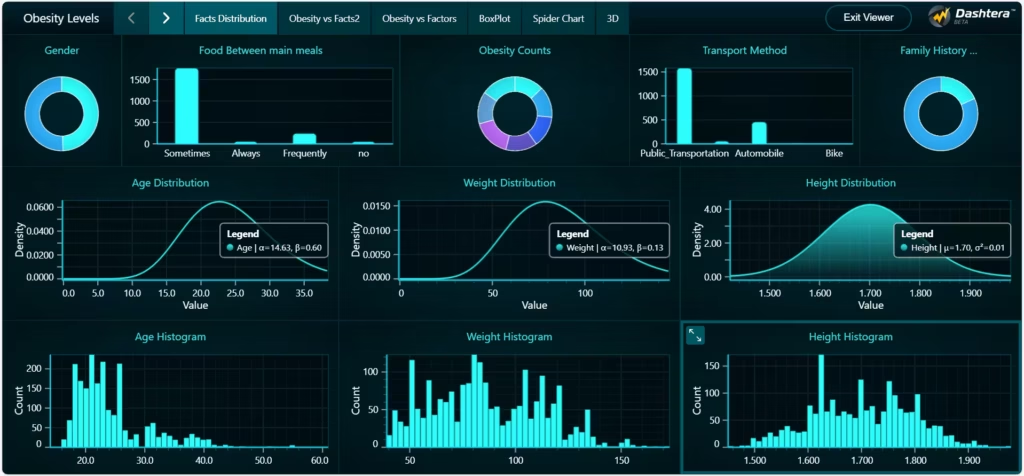
Gender donut Chart: Displays the gender ratio in the dataset.
Food Between Meals (CAEC): A bar chart categorizing snacking habits between meals.
Obesity Count (Target Variable): A donut chart representing the distribution across the 7 obesity categories.
Participant Transport Method: A bar chart showing preferred transport modes (walking, public, motorbike, etc.).
Family Overweight History: A donut chart displaying whether participants have a genetic predisposition to obesity.
Histograms & Statistical Distributions:
Age: Younger individuals are more prevalent in the dataset.
Weight: Skewed towards the higher end of the spectrum.
Height: Normally distributed with a moderate peak.
These visualizations help describe the core composition of the dataset and set the stage for further analysis.
Obesity vs Facts Dashboards
This dashboard explores bivariate relationships between obesity level and selected lifestyle factors:
Stacked Horizontal Bar Charts (Percentage-wise):
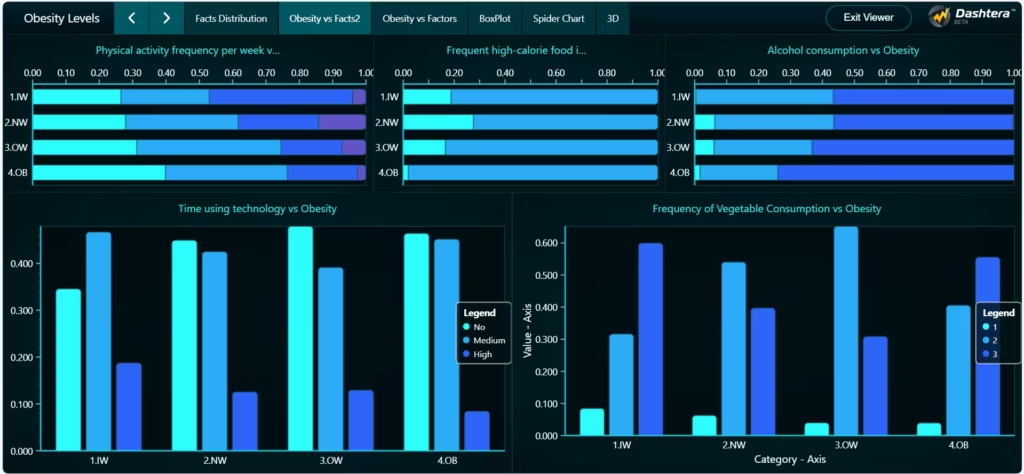
Physical Activity Frequency per Week (FAF): Obese individuals tend to have lower activity levels.
Alcohol Consumption (CALC): Moderate to frequent alcohol consumers are more likely to fall into overweight or obesity classes.
Bar Charts:
Screen Time vs Obesity (TUE): This factor does not show increasing screen time trends with obesity severity.
Vegetable Consumption Frequency (FCVC) vs Obesity: In general, a lack of vegetables correlates with higher obesity levels. In here does not have such a relationship.
These comparisons reveal critical behavioral contributors to unhealthy weight gain and how lifestyle adjustments could influence obesity levels.
Numerical Health IndicatorsDashboard
This dashboard leverages statistical charts to analyze numerical health indicators more rigorously:
Confidence Interval Charts:
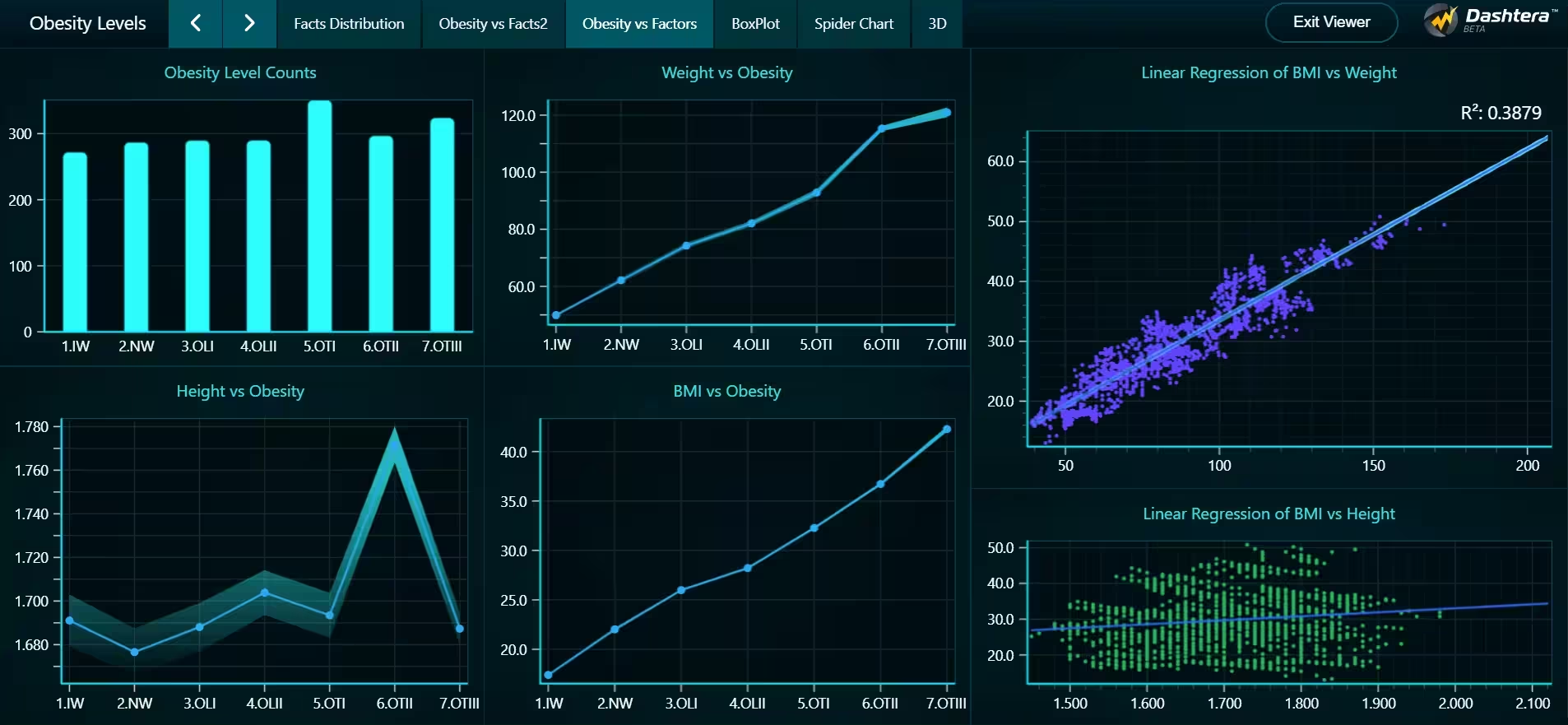
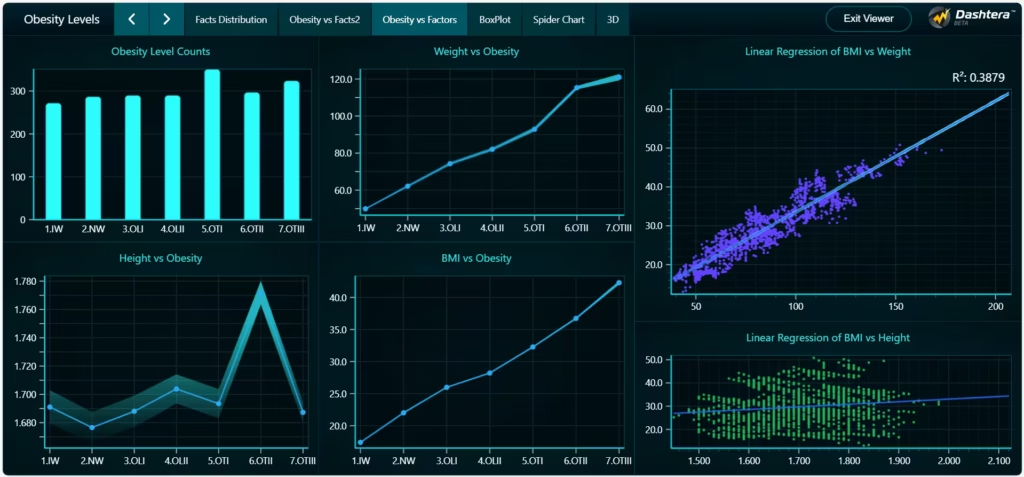
Height, Weight, and BMI: Confidence ranges help estimate population-level averages and variability across obesity groups.
BMI vs Height: Does not show clear relationship; In general, taller individuals may have lower BMI at equivalent weights.
This dashboard offers a more technical view by quantifying the relationships and uncertainties in body metrics related to obesity.
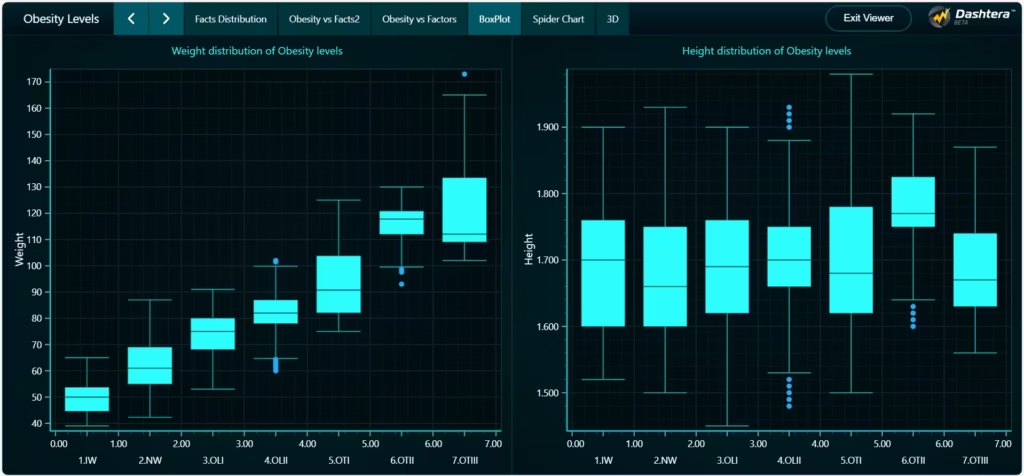
Box Plots for Weight and Height
This dashboard uses box plots to examine the distribution of height and weight across the 7 obesity categories:
Box Plot – Weight vs Obesity: Median weight increases significantly from Normal Weight to Obesity Type III.
Box Plot – Height vs Obesity: Height varies less across categories, suggesting weight has a stronger impact on classification.
Box plots provide a robust way to identify medians, spread, and outliers in body measurements based on obesity class.
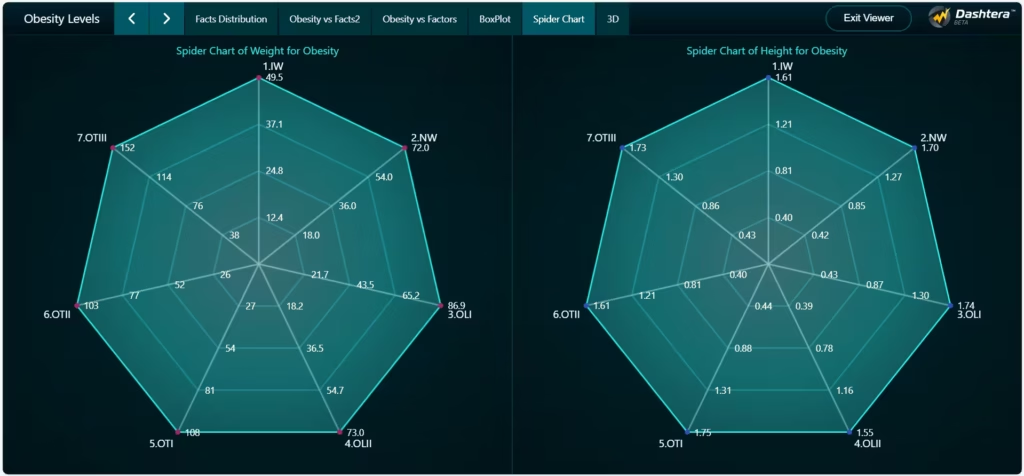
Spider Charts for Weight and Height
Using Dashtera, I created a visually-rich, interactive dashboard suite to explore how eating habits, physical condition, and personal background contribute to obesity. The dashboards collectively:
Describe the population in terms of age, gender, height, and weight
Examine lifestyle contributors like screen time, food intake, physical activity, and alcohol consumption
Visualize statistical relationships using confidence intervals and regression lines
Showcase class-wise differences through box plots and spider charts
Dashtera’s flexibility and statistical capabilities made it easy to turn this complex, multivariate health dataset into clear, compelling visual narratives. This project reinforces the importance of descriptive analytics in public health and demonstrates how no-code tools can empower individuals to derive actionable insights from data.
Whether you’re a healthcare analyst, policymaker, or educator, this dashboard offers a practical lens through which to understand and communicate the multifaceted issue of obesity levels.