
Creating a Medical ECG Dashboard with Dashtera
- Published
-
Software Developer Janaka Alwis
On this page
Introduction
Electrocardiograms (ECGs) are a primary tool in diagnosing heart conditions by recording electrical signals from the heart. Detecting anomalies like premature ventricular contractions (PVCs) in ECG data is crucial for timely medical intervention. In this project, I used Dashtera, a no-code data visualization platform, to create a dynamic dashboard that visually analyzes and detects unusual patterns in ECG signals using the concept of time series discords.
Dataset Description
The dataset consists of high-resolution ECG signal data taken from the qtdb/sel102 series. Each row in the data represents signal amplitudes over time from two ECG leads. The signals are sampled at very short intervals, enabling precise tracking of heartbeat variations.
This dataset was originally used to demonstrate discord-based anomaly detection, which identifies the most unusual subsequences (discords) in time series data without needing prior labels or complex training processes.
Dataset Source
The dataset is publicly available at the University of California, Riverside, under the work of Dr. Eamonn Keogh and his team.
Key Concepts in the Data
• ECG Signal – Voltage readings from two leads over time (no units, raw signal values)
• Time Series Discords – Subsections of a time series that are least similar to all others; they often correspond to anomalies such as arrhythmias or PVCs
• PVC (Premature Ventricular Contraction) – A common and potentially serious irregular heartbeat identified by discord methods
About Dashtera
What is Dashtera?
Dashtera is a cloud-based, no-code dashboard visualization platform that empowers users to build dashboards with interactive visual elements directly from data files or APIs. It requires no programming knowledge and is ideal for rapid data exploration.
Main Features of Dashtera
- Connects to time series datasets (CSV, Excel, etc.)
- Supports statistical and scientific charts
- Drag-and-drop interface for quick setup
- Built-in support for trend detection and confidence intervals
- Shareable dashboards with flexible layouts
- Enables calculated fields and anomaly visualization
Advantages Over Similar Platforms
- Rapid dashboard creation without code
- Minimal setup with rich analytics support
- More lightweight than traditional BI tools like Power BI
- Perfect for time series anomaly visualization
ECG Discord Detection Dashboard in Dashtera
The ECG anomaly detection dashboard focuses on visualizing discord subsequences and validating them against known clinical abnormalities like PVCs. Below are the visual components used:
Explanation of Each Chart in the Dashboard
- Figure 1 – ECG Anomaly Detection via Discords
Shows a discord found in ECG signal data between timestamps 2010–2025, highlighting a PVC. This detection required no labeled data, only the subsequence length parameter.
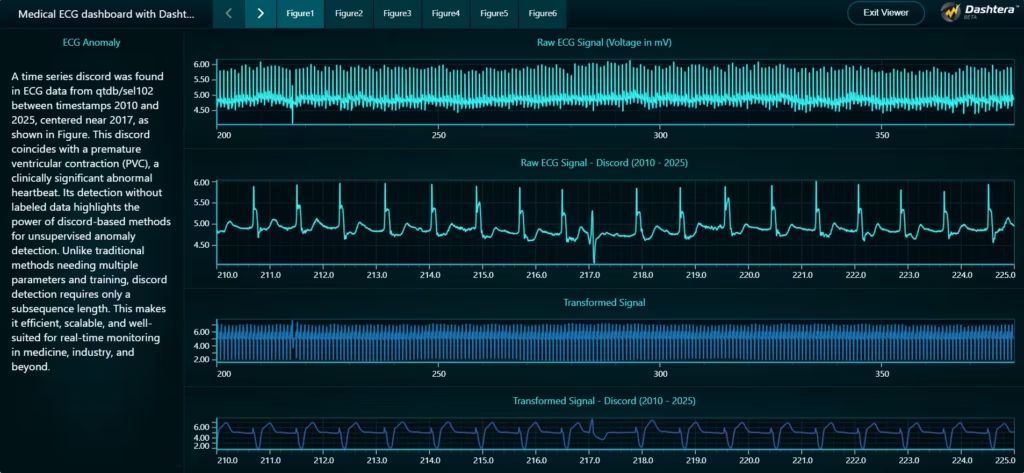
Figure 2 – ECG Cardiologist-Annotated Anomalies
Visual comparison of cardiologist-annotated anomalies and automatically detected discords. The top three discords align exactly with three known heartbeat anomalies.
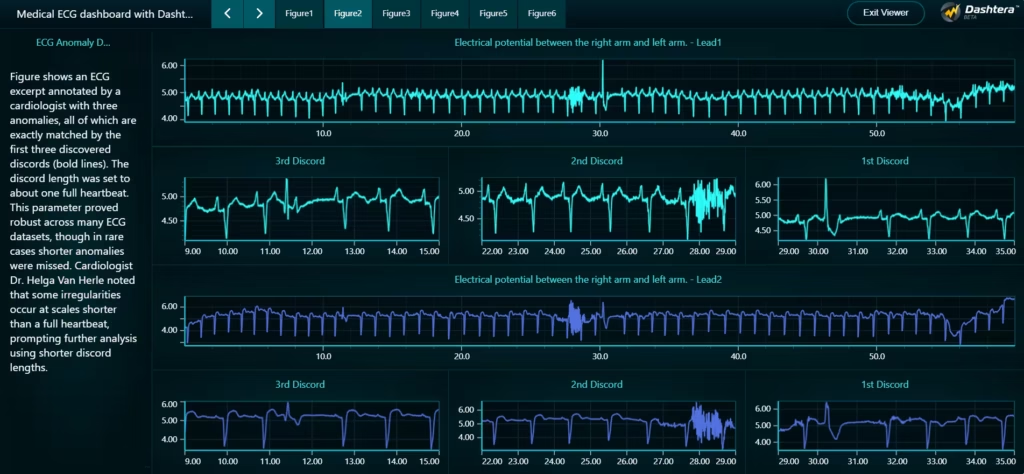
Figure 3 – ECG ST Waves
Displays a discord aligned with a clinically identified PVC. A zoomed-in cluster of ST waves reveals a local peak in the discorded segment—confirming its anomaly status.
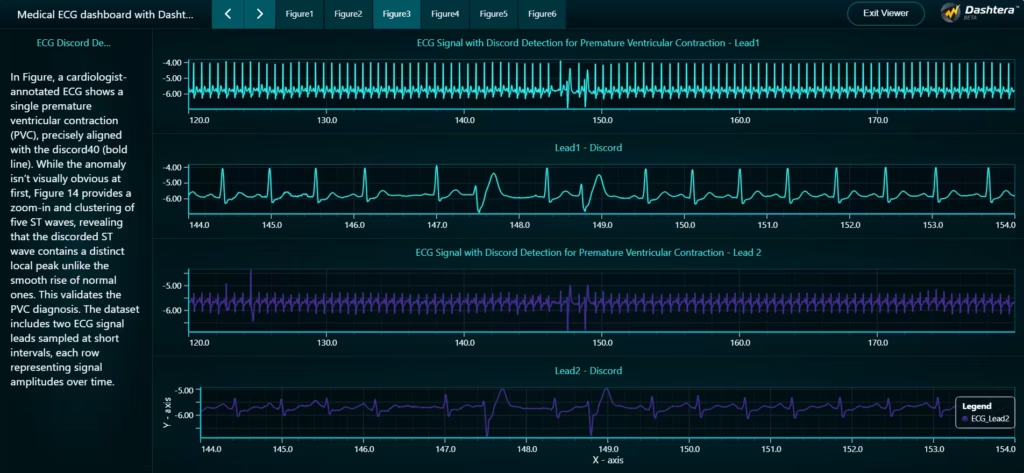
Figure 4 – Subsequence Comparison Visualization
Highlights how discord subsequences differ from normal heartbeats, useful for interpreting ECG abnormalities.
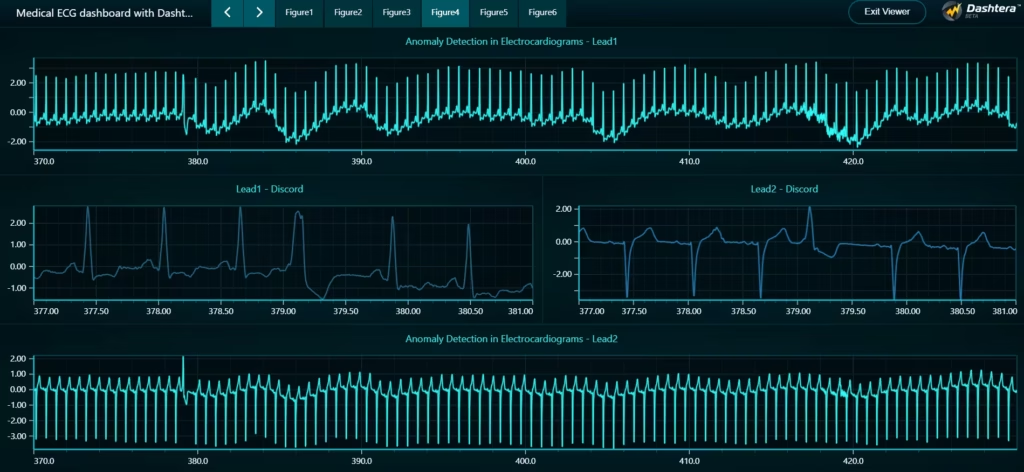
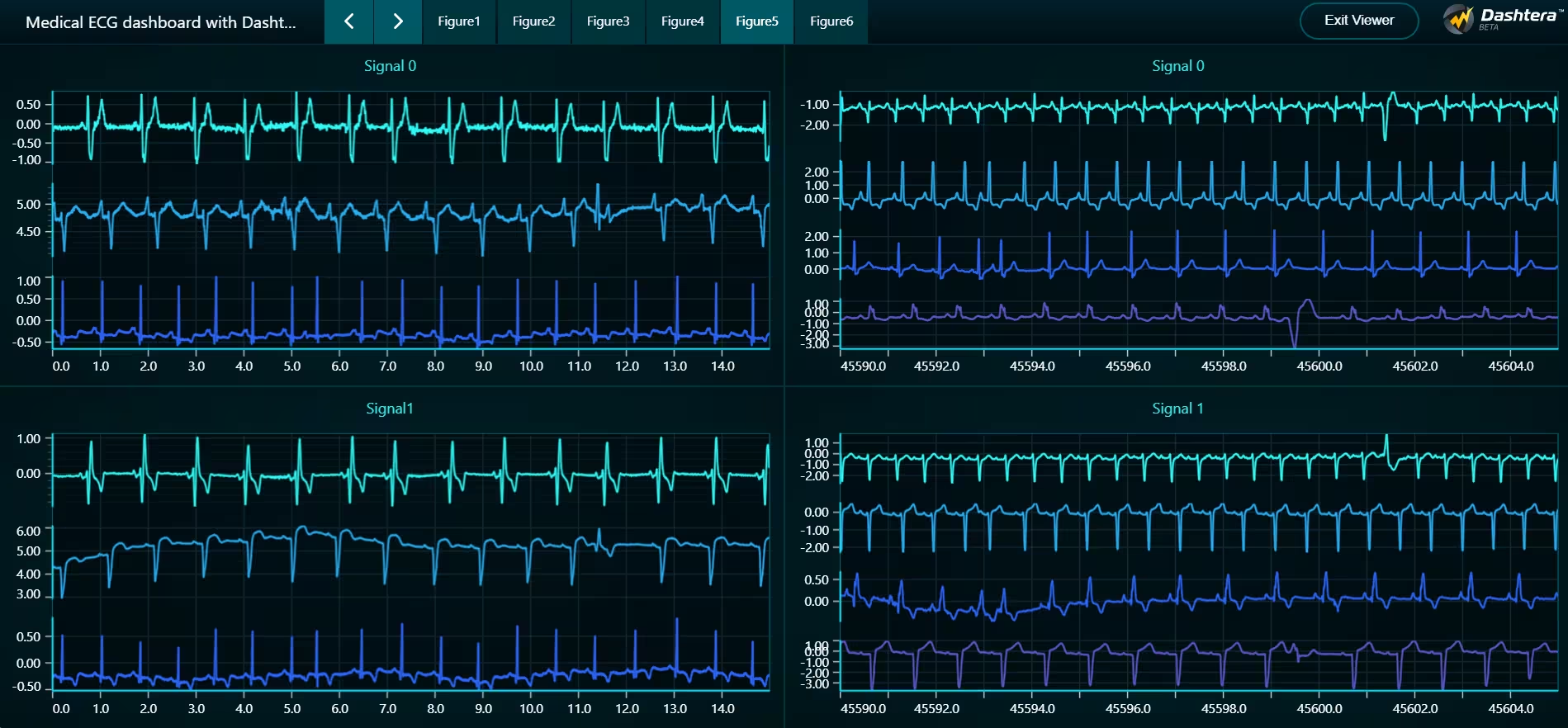
Figure 5 – Subsequence Comparison Visualization with Discord Scores
Visualizes discord scores over time, identifying where the most unusual patterns in the signal occur.
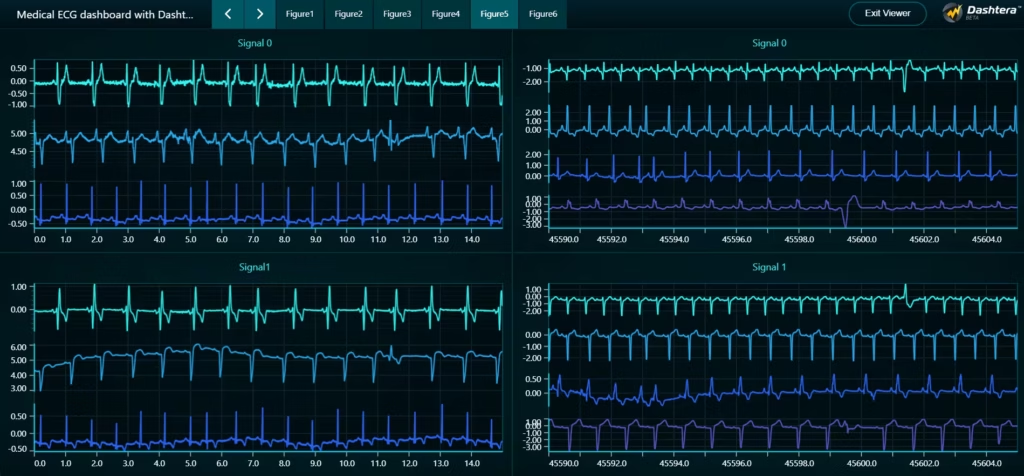
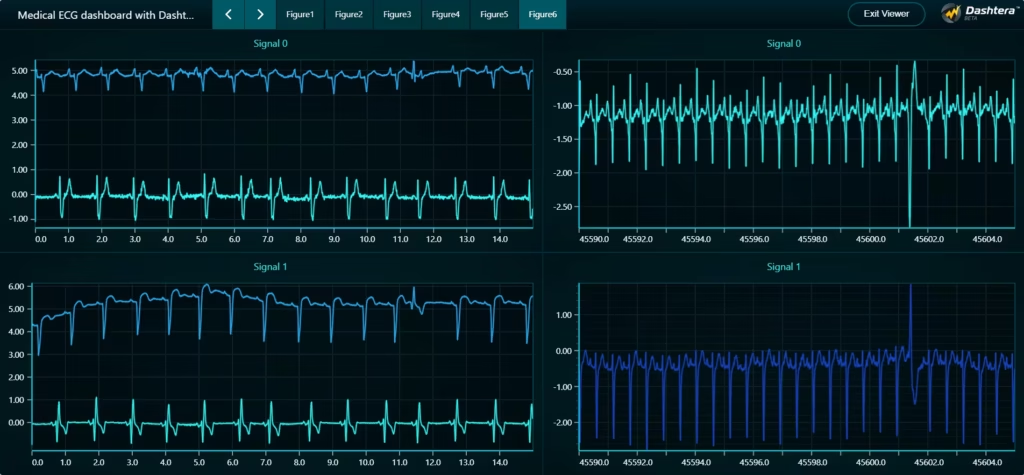
Figure 6 – Zoomed-in ST Wave Cluster Comparison
Focuses on subtle waveform differences detected only via discord methods, aiding clinical validation.
Conclusion
Using Dashtera, I was able to visualize and analyze ECG signals for anomaly detection in a clear, efficient, and interactive manner. The time series discord method allowed for unsupervised identification of critical heart irregularities like PVCs using only one parameter—subsequence length.
Dashtera’s no-code environment and scientific visualization capabilities made it easy to explore ECG data, validate clinical patterns, and build a meaningful dashboard within hours. This project highlights the potential of combining cutting-edge data mining techniques with accessible tools like Dashtera for real-world medical applications.
Whether for real-time monitoring or offline clinical analysis, Dashtera provides a robust platform to turn raw ECG signals into actionable insights.
Share:
Read More
Want to see your data come to life?
Begin building your dashboards now, and unleash your creativity!
