




 Data Analytics Software QA
Janaka Alwis
Data Analytics Software QA
Janaka Alwis
The Diabetes Prediction Dashboard with Dashtera is an advanced analytical solution designed to explore the relationships between various medical factors and diabetes risk. Dashtera serves as the powerful platform behind this analysis, leveraging interactive visualizations to transform raw medical data into actionable insights.
With its intuitive interface, Dashtera enables healthcare professionals, researchers, and data scientists to:
This article details how Dashtera uses the Pima Indians Diabetes Database to build factor-specific dashboards, uncovering the intricate connections between patient health metrics and diabetes outcomes.
The dashboards are based on the Pima Indians Diabetes Database, originally from the National Institute of Diabetes and Digestive and Kidney Diseases. The dataset focuses on predicting diabetes in females aged 21 years or older of Pima Indian heritage.
These attributes include number of pregnancies, plasma glucose concentration, diastolic blood pressure, triceps skinfold thickness, serum insulin level, BMI, diabetes pedigree function (DPF), and age. Each of these factors plays a critical role in diagnosing and predicting diabetes.
Dataset Source
This dataset was first introduced in a research paper:
Smith, J.W., Everhart, J.E., Dickson, W.C., Knowler, W.C., & Johannes, R.S. (1988). Using the ADAP learning algorithm to forecast the onset of diabetes mellitus. In Proceedings of the Symposium on Computer Applications and Medical Care (pp. 261–265). IEEE Computer Society Press.
It is widely available in open-source repositories, including Kaggle, and is a benchmark dataset for medical analytics and machine learning.
Variables
| Variable | Description |
|---|---|
|
Pregnancies |
Number of times the patient has been pregnant |
|
Glucose |
Plasma glucose concentration (mg/dL) |
|
Blood Pressure |
Diastolic blood pressure (mm Hg) |
|
Skin Thickness |
Triceps skinfold thickness (mm) |
|
Insulin |
2-Hour serum insulin (μU/mL) |
|
BMI |
Body Mass Index (kg/m²) |
|
Diabetes Pedigree Function |
A function that scores genetic predisposition to diabetes |
|
Age |
Age of the patient (years) |
|
Outcome |
Diabetes status (1 = Diabetic, 0 = Non-Diabetic) |
What is Dashtera?
Dashtera is a cloud-based, no-code dashboard platform that allows users to connect multiple data sources and create interactive dashboards without writing any code.
Key Features
Advantages Over Similar Tools
Each dashboard created for this project focuses on different analytical perspectives:
Pregnancy Factor
Analyzes how pregnancy count impacts diabetes risk.
Categories: None, Low (1–3), Medium (4–6), High (7–10), Very High (11–17), Other.
Charts included:
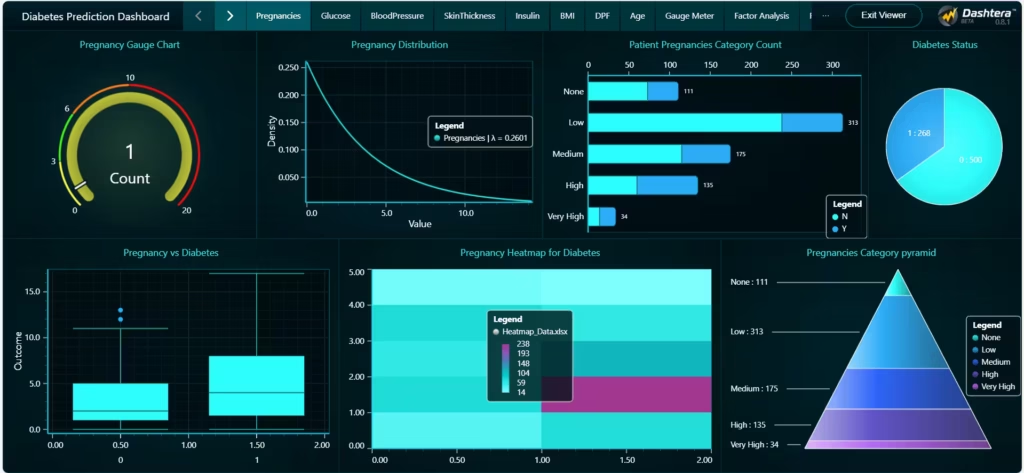
The Pregnancy Factor Dashboard explores how the number of pregnancies influences diabetes occurrence. The data shows that women with high pregnancy counts (7–10) have a greater proportion of diabetes cases (75 vs. 60) compared to those with no pregnancies. Even among low (1–3) and medium (4–6) categories, diabetes prevalence is noticeable, suggesting pregnancy count is a relevant risk indicator. This dashboard’s charts, including gauge meters, category pyramids, and heatmaps, highlight the increasing risk pattern as pregnancy counts rise.
Plasma Glucose Factor
Examines glucose concentration as a key predictor of diabetes.
Categories: Missing, Low (<70), Normal (70–99), Prediabetic (100–125), High (≥126), Unknown.
Charts included:
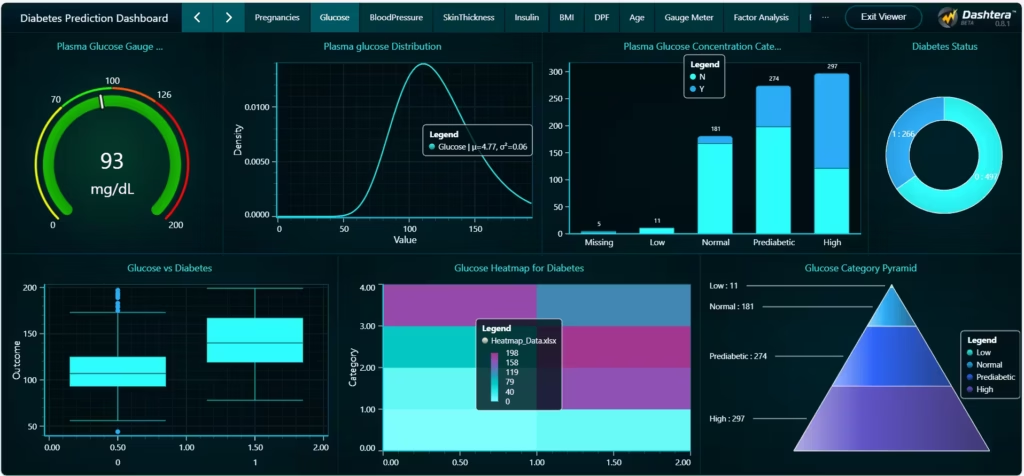
The Plasma Glucose Factor Dashboard reveals glucose levels as a strong predictor of diabetes. Categories with high glucose (≥126) have 176 diabetes cases versus 121 non-diabetes, while those with prediabetic levels (100–125) also show significant diabetes presence (76 vs. 198). In contrast, individuals in the normal or low glucose categories rarely exhibit diabetes. This clear stratification underscores glucose as the most critical factor for early detection.
Blood Pressure Factor
Explores how variations in diastolic blood pressure relate to diabetes.
Categories: Missing, Low (<60), Normal (60–79), Elevated (80–89), High (90–120), Very High (>120), Other.
Charts included:
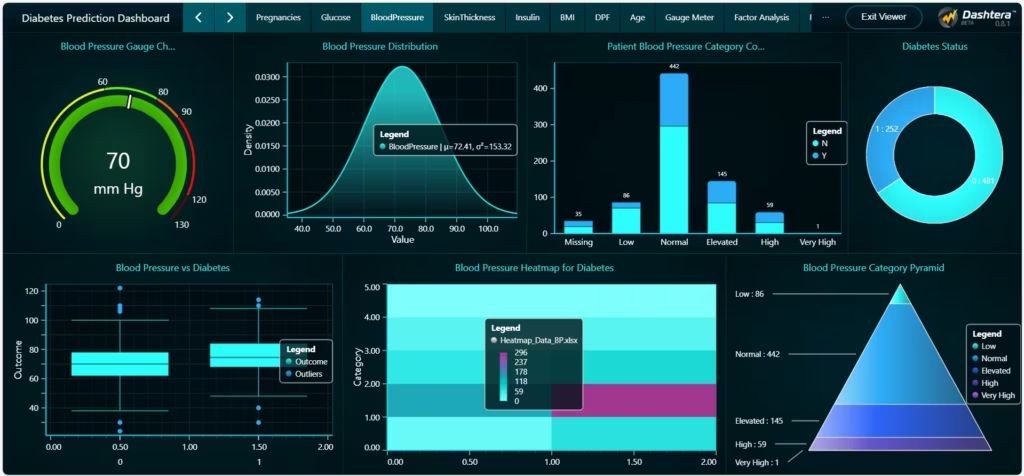
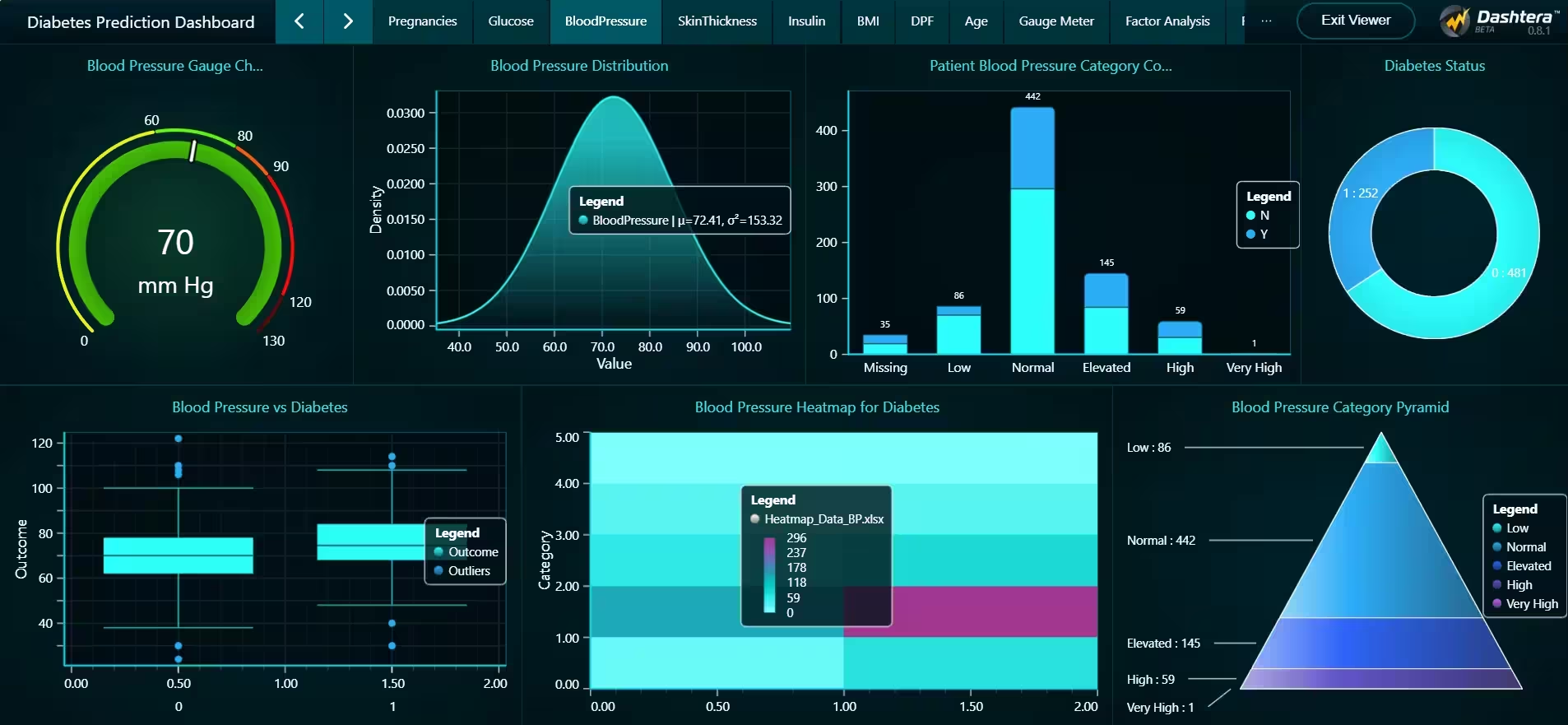
The Blood Pressure Factor Dashboard illustrates how varying blood pressure levels correlate with diabetes. Most diabetes cases appear in the normal (146) and elevated (61) groups, reflecting the dataset’s demographic skew. Interestingly, very high blood pressure cases are rare, and low BP is associated with fewer diabetes cases. These charts enable a nuanced understanding of blood pressure’s indirect effect on diabetes risk.
Skin Thickness Factor
Evaluates the role of triceps skinfold thickness as an indicator of body fat and diabetes risk.
Categories: Missing, Very Low (1–10), Low (11–20), Medium (21–40), High (41–60), Very High (>60), Other.
Charts included:
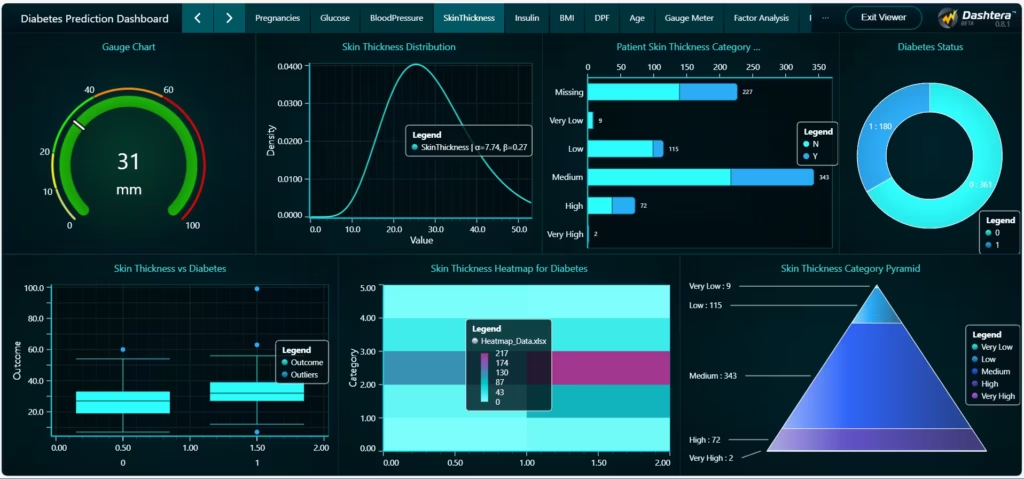
The Skin Thickness Factor Dashboard examines the role of skinfold thickness in predicting diabetes. The medium skin thickness group (21–40) dominates with 126 diabetes cases, followed by the missing data category (88).
Very high values (>60) are rare, with only 2 diabetes cases. This suggests skin thickness may contribute to risk assessment but often requires complementary factors for better prediction.
Insulin Factor
Highlights how fasting insulin levels contribute to diabetes prediction.
Categories: Missing, Very Low (1–50), Low (51–150), Medium (151–300), High (301–500), Very High (>500), Other.
Charts included:
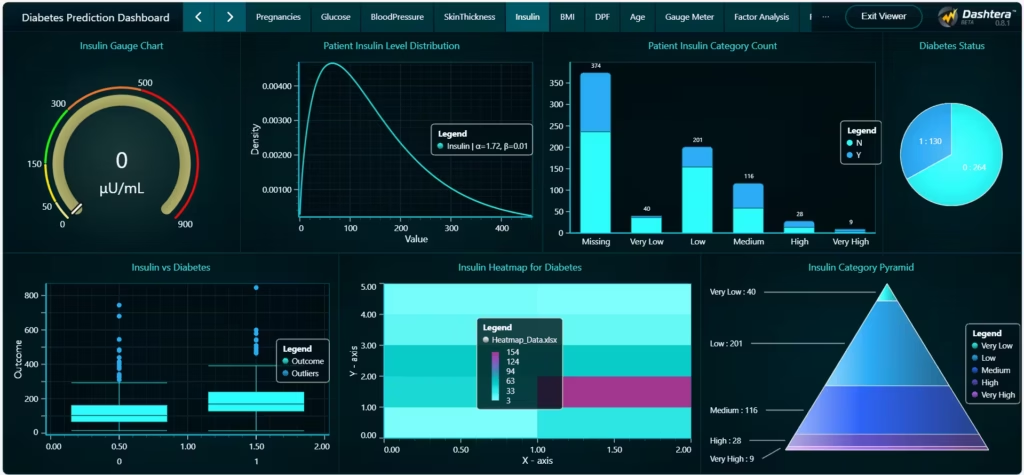
The Insulin Factor Dashboard evaluates insulin levels’ relationship with diabetes. A large portion of the dataset has missing insulin values (138 diabetes cases), reflecting incomplete records. However, where insulin is recorded, medium (151–300) levels have a balanced distribution (58 diabetes vs. 58 non-diabetes), while very high (>500) levels show a small yet notable diabetes presence (6 vs. 3). This highlights the importance of comprehensive insulin measurement.
BMI Factor
Examines the influence of Body Mass Index (BMI) on diabetes prevalence.
Categories: Miss, Under (<18.5), Norm (18.5–24.9), Over (25–29.9), Obese (30–39.9), Severe (≥40), Other.
Charts included:
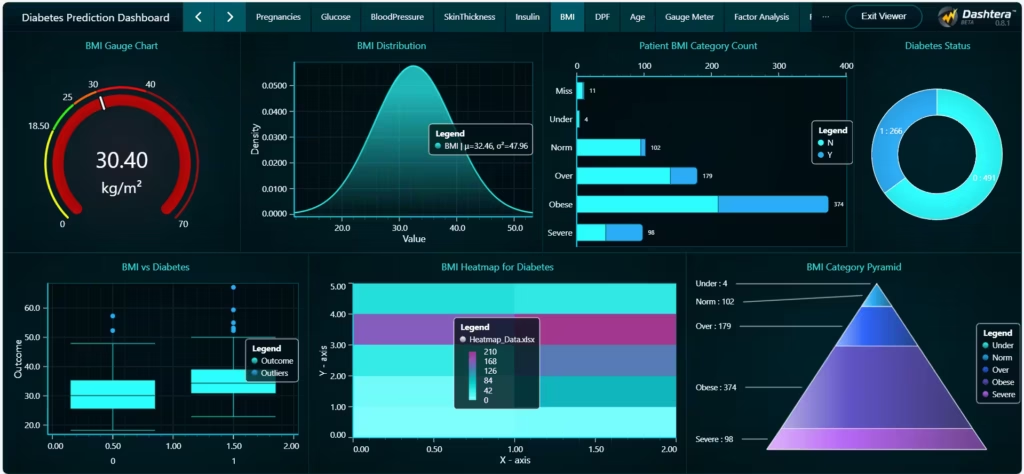
The BMI Factor Dashboard demonstrates a strong correlation between body mass index and diabetes risk. Obese individuals (30–39.9) account for 164 diabetes cases, while severely obese (≥40) also show an elevated risk (55 vs. 43). Normal and underweight categories have significantly fewer diabetes cases, confirming BMI as a critical factor in diabetes prediction.
DPF (Diabetes Pedigree Function) Factor
Assesses how genetic predisposition, measured by DPF, influences diabetes risk.
Categories: VLow (<0.2), Low (0.2–0.6), Med (0.6–1.2), High (1.2–2.0), VHigh (>2.0), Other.
Charts included:
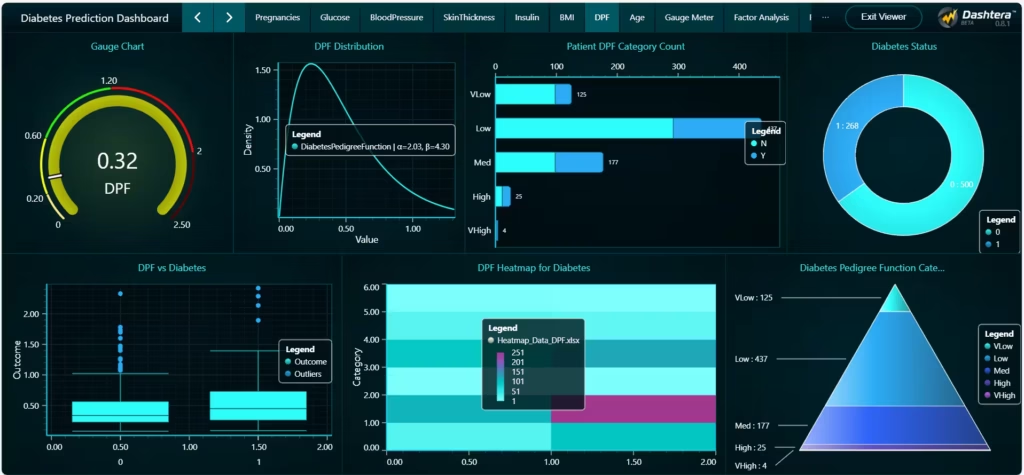
The DPF Factor Dashboard focuses on genetic predisposition. Most diabetes cases fall into the low and medium categories, while very high (>2.0) DPF values, although rare, show a high diabetes ratio (3 vs. 1). This suggests that while DPF is influential, it works synergistically with other medical factors to determine overall risk.
Age Factor
Assesses how genetic predisposition, measured by DPF, influences diabetes risk.
Categories: VLow (<0.2), Low (0.2–0.6), Med (0.6–1.2), High (1.2–2.0), VHigh (>2.0), Other.
Charts included:
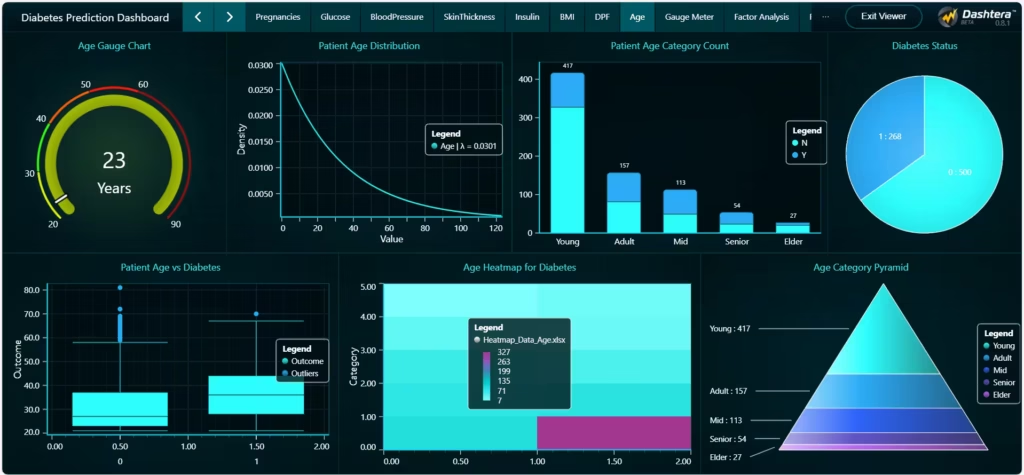
The Age Factor Dashboard analyzes how age influences diabetes risk. The young (21–30) group, though the largest, has relatively fewer diabetes cases (90 vs. 327 non-diabetes).
Conversely, the adult (31–40) and mid (41–50) groups show higher diabetes proportions.
The senior and elder categories, despite fewer total cases, indicate a steady risk increase with aging.
The summary dashboards offer an aggregated view of all key factors, providing a comprehensive and holistic overview.
Gauge Meter Dashboard
Displays all eight factors as gauge charts, reflecting the last patient’s readings in a single consolidated view.
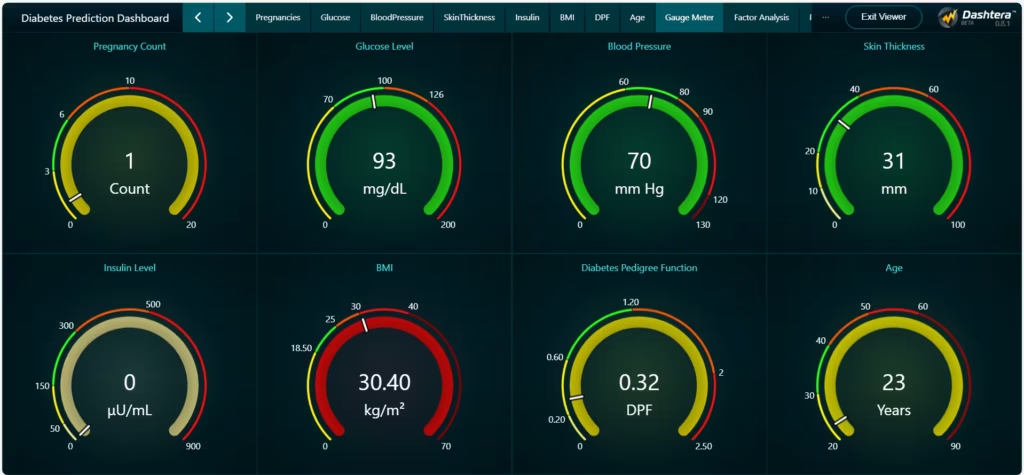
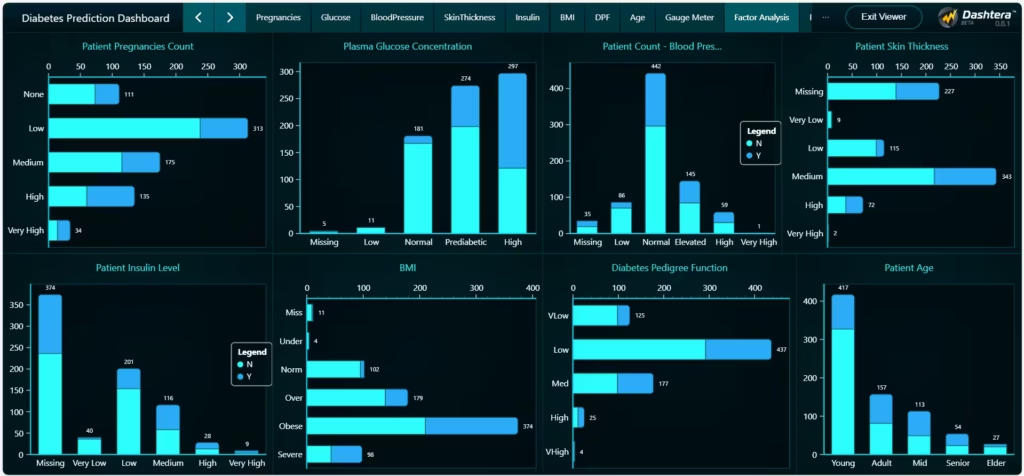
Factor Analysis Stacked Charts
Combines stacked bar charts for all factors into one interface, enabling easy cross-factor comparison.
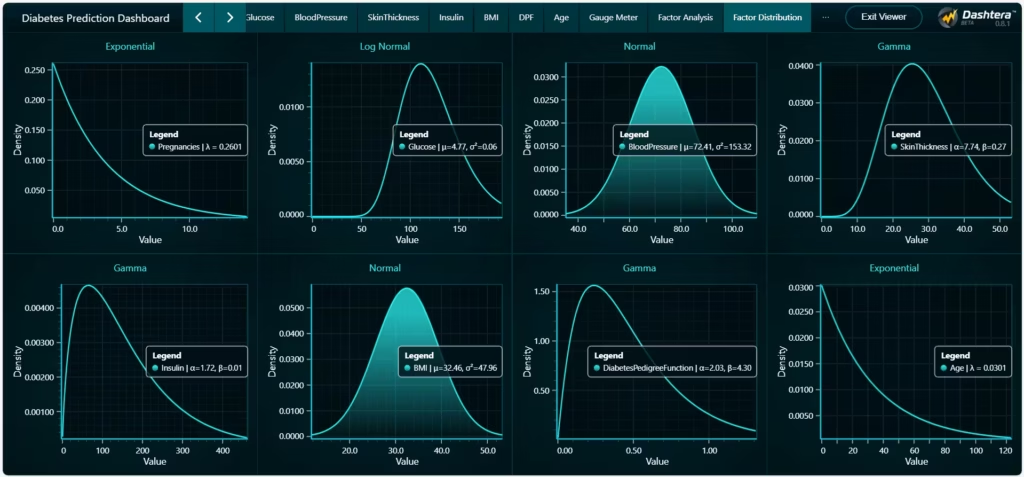
Factor Distributions Dashboard
Presents distribution charts for all eight factors in a unified dashboard to reveal patterns
across the dataset.
The Diabetes Prediction Dashboard with Dashtera bridges data analytics and medical decision-making. It transforms the Pima Indians Diabetes Database into an interactive tool that helps:
By integrating factor-wise dashboards with summary views, Dashtera empowers data-driven decisions in diabetes care and research.
Share: